
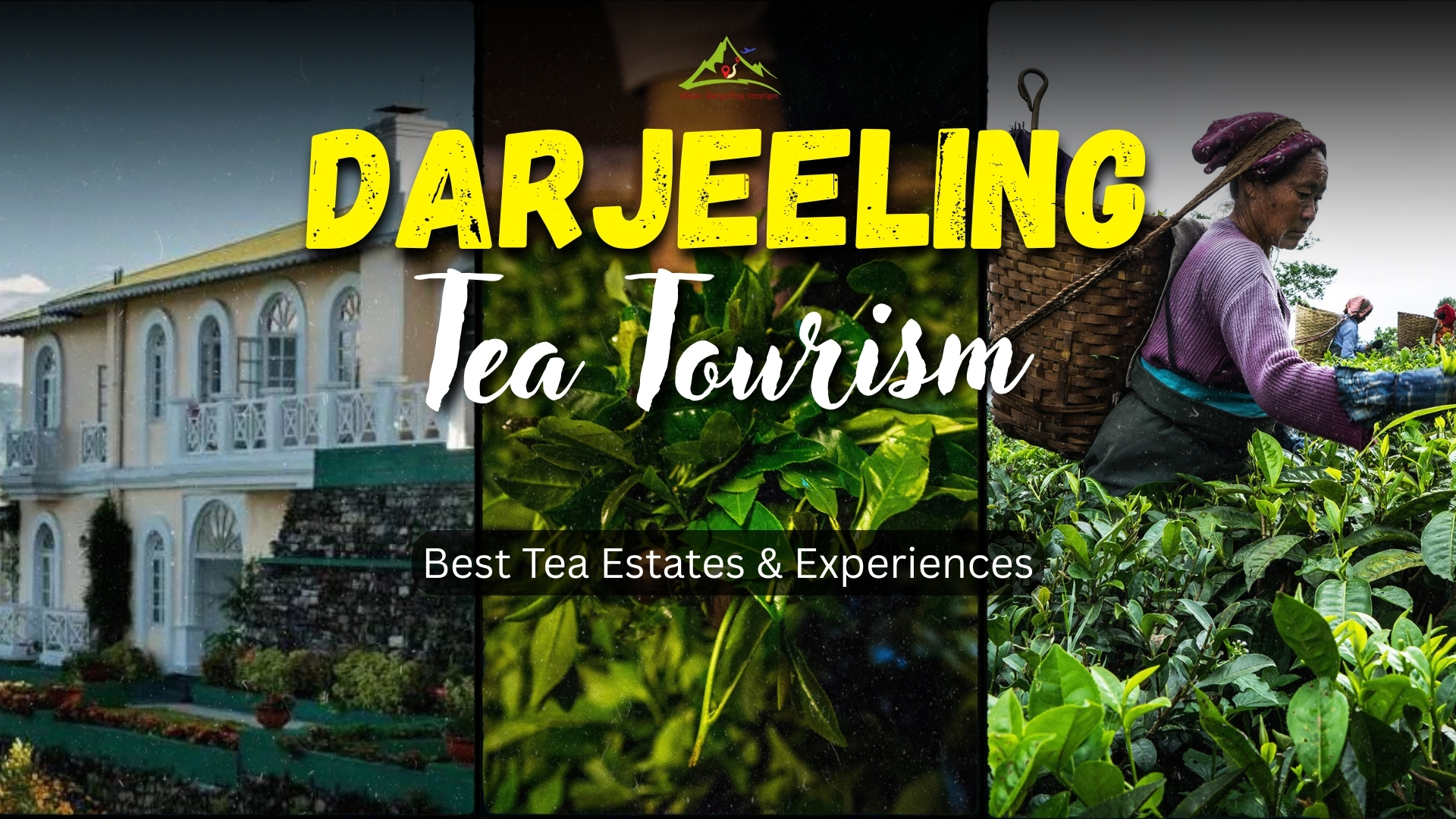
If you visit Darjeeling, you can feel it is not just a destination, it is an emotion brewed in every cup of Darjeeling tea. As you walk through mist-covered slopes, the scent of fresh leaves and warm Darjeeling black tea fills the air, reminding you why this region is celebrated worldwide. In 2026, Darjeeling tea tourism is emerging as one of the most soulful travel experiences for tea lovers, slow travelers, and culture seekers.
In 2026, tea tourism in Darjeeling is evolving into one of the most meaningful travel experiences in the Eastern Himalayas. Beyond sightseeing, travellers are choosing to slow down, walking through heritage tea gardens, speaking with local pluckers, and understanding how the world’s finest teas are born.
Explore…Best Time to Visit Darjeeling for Snowfall, Honeymoon & Family Trips
Why is Darjeeling Tea World-Famous?
Often called the “Champagne of Teas,” Darjeeling tea is more than just a drink; it’s a reflection of the mountains where it is born. Grown on misty Himalayan slopes at high altitudes, this tea is shaped by cool temperatures, mineral-rich soil, monsoon rains, and generations of careful craftsmanship. The result is a tea known worldwide for its delicate aroma, light body, and layered, evolving flavors.
Whether you choose Darjeeling loose-leaf tea, convenient Darjeeling tea bags, or rare, premium whole-leaf varieties, every cup carries the quiet magic of the hills. Each leaf tells a story of the season in which it was plucked and the hands that carefully processed it.
The tea changes with the weather, the sunlight, and the rhythm of nature:
- First Flush Darjeeling Tea: Harvested in early spring, this tea is light and floral. It feels like the first breath of mountain air after winter.
- Second Flush Darjeeling Tea: Picked in early summer, it boasts the richness that tea lovers worldwide seek.
- Darjeeling Green Tea: Soft, delicate, and refreshing, this tea highlights the natural purity of the leaves.
Read more…The Unexplored Beauty of Darjeeling: Explore the Hidden Corners of the Queen of Hills
1. Makaibari Tea Estate: The Soul of Darjeeling Tea Tourism
To truly understand Darjeeling tea tourism, one must walk the misty paths of Makaibari Tea Estate. Established in 1852, Makaibari stands as one of the oldest tea estates in Darjeeling, carrying over a century and a half of heritage, philosophy, and flavor in every leaf. It is a pioneer of organic Darjeeling tea and biodynamic farming.
Why Makaibari is Special:
- Renowned for Makaibari green tea and premium first flush varieties.
- Home to rare organic Dargeling loose leaf tea.
- Deep connection with local communities.
- Visitors can explore tea gardens and enjoy an authentic tasting.
2. Happy Valley Tea Estate: The Colonial Heritage
Located just a short walk from Darjeeling town, Happy Valley Tea Estate is the second oldest and most beloved tea garden in the region. Established in 1854, this heritage estate offers a perfect blend of history, nature, and authentic Darjeeling tea culture. Happy Valley is especially known for its organic Darjeeling tea, producing delicate Darjeeling first flush tea with fresh floral notes and a smooth, refreshing finish, as well as mellow second flush teas with gentle muscatel character. The estate’s high altitude and cool mountain climate give its teas a refined aroma that lingers long after the last sip.
3. Goodricke Tea Estate:
With a legacy spanning centuries, Goodricke Tea Estates represents the structured, heritage-rich side of Darjeeling’s tea culture. From classic Goodricke Darjeeling black tea to their unique Goodricke roasted Darjeeling tea, these estates offer a diverse tasting journey. Their well-organized tea tours provide insight into leaf grading, processing, and brewing, perfect for travelers who enjoy learning the science and stories behind every cup.
Best Time to Visit Darjeeling for Tea Tourism
The misty hills, rolling tea gardens, and changing harvests make every season feel different. Here’s a more soulful view of the best time to plan your Darjeeling tea tourism journey.
- (March-April, First Flush) It is the peak season for first flush Darjeeling Tea. Expect vibrant green gardens and active plucking.
- (May-June, Second Flush) Famous for the Darjeeling second flush. It is the peak season with good weather and busy estates.
- (October-November)Clear skies for stunning Kanchenjunga views, cooler temperatures, and the rich autumnal teas.
Check Out…Local Experiences You Must Try in Gangtok and Darjeeling
A Journey That Brews in the Heart
Walking through tea gardens, meeting growers, and witnessing the art of plucking and processing helps you appreciate what makes the best Darjeeling tea so special. Even if you usually prefer to buy Darjeeling tea online, visiting the estates adds depth and meaning to every cup of Darjeeling tea or Darjeeling tea bags you enjoy back home.
If you’re planning a soulful escape, book your Darjeeling trip with Sikkim Darjeeling Tourism for the best experience in Darjeeling. From immersive tea garden visits and tastings to comfortable stays and local insights, we help you explore Darjeeling beyond sightseeing.