
Some viewpoints impress you with elaborate viewpoints, cafes, and crowds. Singhik View Point is a different story. High above the winding roads of North Sikkim, this quiet mountain stop offers travelers an extraordinary Himalayan panorama: snow-capped peaks rising behind deep green valleys and forested slopes. Singhik is near Mangan and is known for the view of Mount Kanchenjunga and Mount Siniolchu.
On a clear day, it is like the mountains are close enough to touch, and clouds drift through the valleys below. It’s the kind of place you think you’re going to be there for ten minutes, and you stay for half an hour. Whether you are heading toward Lachung and Yumthang Valley or just exploring the quieter side of Sikkim, Singhik View Point deserves a place on your itinerary.
Why Go to Singhik View Point?
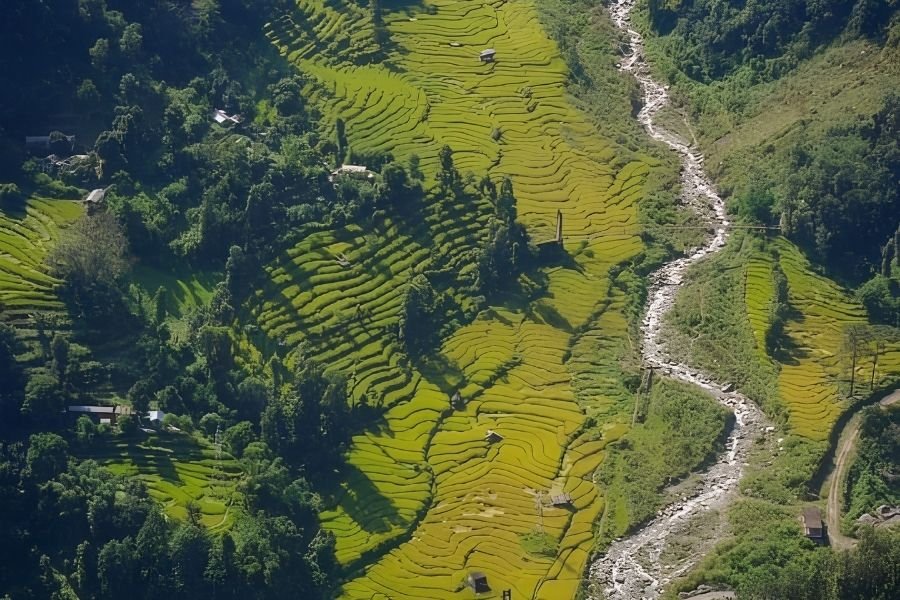
The view is, quite simply, the biggest attraction here. Singhik has a tranquil mountain feel unlike some of the more crowded tourist attractions in Sikkim. This viewpoint provides a magnificent view of the Himalayan landscape and overlooks the neighboring valleys. The star of the panorama is Kanchenjunga, the third-highest mountain in the world. The striking form and snowiness of Siniolchu add a further dramatic element to the scenery.
The changing weather adds to the experience of interest. Early mornings can be crisp and clear, but later in the day clouds can roll over the mountains, creating a completely different landscape. Singhik also makes a lovely stop for travelers who love photography. The mountains, valleys, forests, and winding roads give you lots of chances to take wide landscape shots.
Singhik View Point: Best Time to Visit
The best time to go to Singhik depends on what you want to see.
1. March to May: Nice Weather and Springtime Scenery
Spring is one of the most pleasant times to visit. The weather is good for sightseeing, and the surrounding hills are getting greener as the season advances. It’s also a good time for travelers seeking a combination of pleasant temperatures and scenic mountain views.
2. October to November: Clear Views of the Himalayas
If mountain visibility is what you’re after, autumn is often a good choice. After the monsoon, the skies may improve, and chances for Kanchenjunga and Siniolchu may be better. Photographers find October and November particularly attractive as blue skies, golden sunlight, and snow-capped peaks combine to produce spectacular scenery.
3. June to September: The Rainy Season
Sikkim is a verdant, lush paradise in the monsoon, but mountain travel can be unpredictable. Travel plans in the region could be disrupted by rain, clouds, slippery roads, and occasional landslides. You can visit Singhik in this period too, but mountain views are less predictable. Always check local weather and road conditions before you travel.
4. Winter: December – February
Winter is colder, with a different Himalayan feel to it. In the higher parts of North Sikkim, snow may fall, and the outlook itself can be very cold. For travelers who like crisp mountain air and winter scenery, it can be a beautiful season. But snow and weather can affect road conditions and access to destinations farther north.
Tip: To get the best views of the mountains, go early in the morning, rather than planning your whole experience around an afternoon visit.
Planning a trip to see the Himalayan peaks? Explore our Sikkim Tour Packages to plan your visit around the best season for sightseeing and mountain views.
How to Reach Singhik View Point
Singhik is close to Mangan, the district headquarters of North Sikkim, and is often visited as part of a North Sikkim road trip.
1. From Gangtok
Gangtok is the starting point for most travelers headed to Singhik. Through the winding mountain roads, forests, and scenic settlements, the journey leads you to the Mangan area. Singhik can be added as a stop while heading toward destinations like Lachung. The journey is more than simply getting to the viewpoint. The road itself passes through plenty of beautiful Himalayan scenery, so allow time for photo stops.
2. From Mangan
Singhik is an easy stop-off for travelers staying in or passing through Mangan, as it’s not far from the town. If you’re heading to North Sikkim, your driver or local tour operator can usually make Singhik a sightseeing stop depending on the day and route conditions.
3. Private Car or Taxi
The simplest way to get to Singhik is in a private or hired vehicle. It gives you flexibility to stop en route and spend some time at the viewpoint. Public transport in mountainous Sikkim can be limited, and travelers using shared transport should plan their route carefully.
Want to explore Singhik and other scenic destinations in North Sikkim? Check out our Sikkim Tour Packages to plan your route, transport, and sightseeing stops.
What to see and do in Singhik
1. See Mount Kanchenjunga
Singhik is mostly a stopping place for the view of the Himalayas. On a clear day, look up at the snowy peaks and take your time to appreciate the scale of the landscape.
2. Picture of Siniolchu
Another highlight seen from the viewpoint is Mount Siniolchu. It’s a favored subject for photographers due to its distinctive snowy profile.
3. Take in the Views of the Valley
Don’t just look to the top. Look down into the deep valleys and the forested slopes around Singhik. The landscape gives a great feel of the hilly terrain of Sikkim.
4. Have a Silent Break
Singhik is also a place to decelerate. Take a few minutes to just enjoy the cool mountain air and peaceful surroundings; don’t rush through the viewpoint to get a photo.
How long do you need?
Singhik View Point is not a full-day affair. The average traveler can easily spend 30 minutes to an hour here, depending on the weather, photography, and how much time they want to enjoy the scenery. However, since Singhik is usually covered as part of a larger North Sikkim trip, your total travel time will depend on the plan for the day.
If you are heading toward Lachung or other North Sikkim destinations, you can plan a visit in the morning or while traveling en route instead of making a separate visit just for the viewpoint.
Travel Tips for Visiting Singik
- Rise early: You will have a better chance of seeing clear mountain views during the morning hours.
- Dress in warm layers: North Sikkim can be much cooler than Gangtok, even when Gangtok feels comfortable.
- Carry rain protection: Mountain weather can change rapidly, especially during the monsoon season.
- Wear Comfortable Shoes: If you are planning to do any exploring outside the immediate viewpoint, it will be easier if you have comfortable shoes.
- Bring water and snacks: Food options may be limited around smaller sightseeing stops, so pack some basic snacks and refreshments.
- Take your time at the viewpoint: Mountains can be temporarily hidden by clouds. Give the weather a little bit before you decide there is no view.
- Follow your local protocols: North Sikkim is a sensitive mountain area, and road conditions can change very fast. Take note of the advice of your driver, local authorities, and tour operators.
Tourist Places Near Singhik
One of the best things about Singhik is that it is on the way to North Sikkim. Depending on your itinerary, you can combine it with several other attractions.
- Mangan: Travelers visiting North Sikkim will find the district headquarters a convenient stop.
- Lachung: This scenic mountain village is a key jumping-off point for excursions to the Yumthang Valley and other local attractions.
- Yumthang Valley: Yumthang is one of the most popular tourist attractions in North Sikkim. It is famous for its dramatic Himalayan landscape, rivers, and seasonal flowers.
- Waterfall of the Seven Sisters: Located on the Gangtok – North Sikkim route, it is a multi-tiered waterfall and a popular roadside sightseeing stop.
There are many attractions, and it makes much more sense to combine several into one route than visit Singhik as an isolated destination.
Make the most of your North Sikkim journey by combining Singhik with destinations such as Lachung and Yumthang Valley, subject to road conditions and itinerary feasibility. Explore our Sikkim Tour Packages to plan your Himalayan getaway.
Location of Singhik View Point?
Singhik View Point is situated near Mangan in North Sikkim. It is frequently visited when traveling to destinations like Lachung.
What is visible from Singhik View Point?
It is especially known for its grand views of Mount Kanchenjunga and Mount Siniolchu and the adjacent valleys and wooded hillsides of the Himalayas.
When is the best time to visit Singhik View Point?
The months of October and November are particularly good for clearer views of the Himalayas, and the months of March to May have pleasant weather and lush spring scenery. A morning visit is usually more likely to have clear mountain views.
How long to spend at Singhik View Point?
Usually, you can stay for about 30 minutes to an hour for sightseeing and taking photos, but if the weather is clear and you want to enjoy the scenery, you can stay longer.
Is Singhik worth visiting in a North Sikkim itinerary?
Yes. Singhik is a good addition to a North Sikkim road trip and can be incorporated into a route toward destinations like Lachung, Yumthang Valley, etc., depending on the route and road conditions on the day.