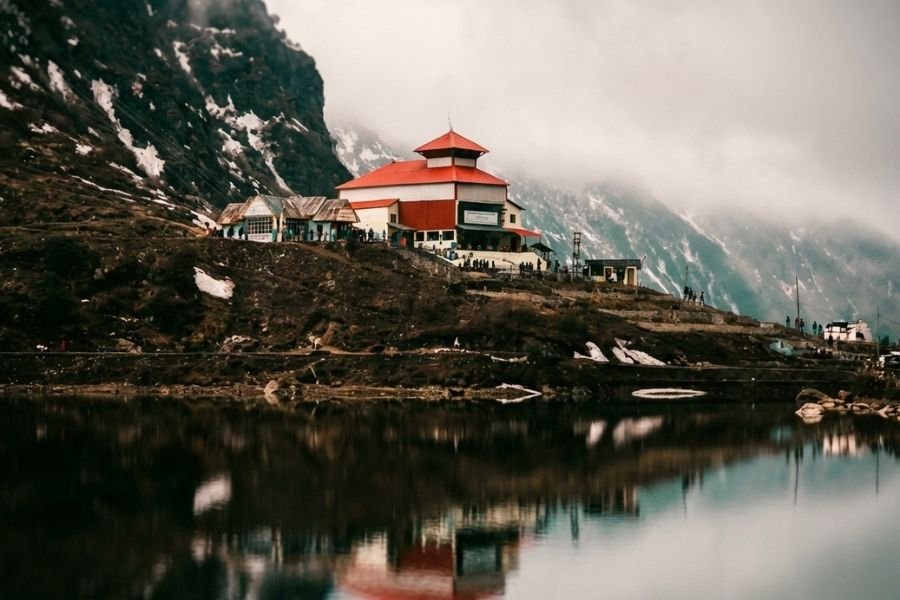
Nestled in the Eastern Himalayas, Darjeeling isn’t just a scenic hill town, it’s the birthplace of the world-famous Darjeeling Tea. The misty mountains, emerald tea gardens, and colonial charm draw travelers from across the globe. But with growing tourism comes responsibility. More travelers mean more pressure on natural resources, more waste, and greater risk to fragile ecosystems and indigenous communities.
That’s where sustainable travel comes in. When you are visiting Darjeeling tea estates, your choices can either contribute to the preservation of this paradise or its deterioration. At Sikkim Darjeeling Tourism, along with our eco-conscious partner Tripjyada, we believe in travel that gives back. Sustainable tourism ensures that the environment, culture, and economy of Darjeeling thrive for generations to come.
Here’s a comprehensive and deeply informative guide to making your visit to Darjeeling’s tea gardens meaningful, responsible, and sustainable.
1. Book with Local, Responsible Operators
Travel platforms like Tripjyada offer curated tours that directly benefit local communities and artisans. Their itineraries focus on eco-friendly transportation, homestays, and experiences rooted in local culture.

Why it matters: Local tour operators provide employment, boost the regional economy, and preserve traditional knowledge. They are more likely to follow sustainable practices because they live within the ecosystem they promote.
How you can help:
- Choose itineraries that include community-led experiences
- Ask for carbon-neutral or low-emission travel options
- Inquire about eco-certifications and local collaborations
2. Visit Organic and Biodynamic Tea Estates
Many Darjeeling tea estates, such as Makaibari, Glenburn, and Happy Valley, have embraced organic and biodynamic farming to maintain ecological balance.
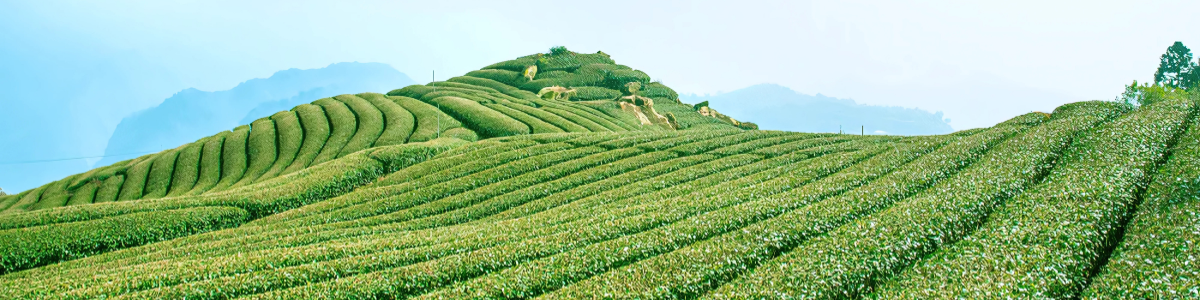
Why it matters: Organic tea gardens use natural compost and bio-pesticides, ensuring cleaner water sources, healthier soil, and safer working conditions for farmers.
Look out for:
- Tea gardens with permaculture or companion planting
- Estates that provide education and healthcare for workers
- Tours that explain the soil-to-cup journey
Tip: Ask about certifications like USDA Organic or Demeter (for biodynamic farms).
3. Stay in Eco-Friendly Accommodations or Homestays
Stay in properties that are built sustainably, use renewable energy, and engage in water and waste conservation. Many heritage bungalows in tea estates have now been transformed into green stays.

Why it matters: These properties reduce the carbon footprint of your stay and provide authentic interactions with local hosts.
Look for:
- Use of renewable materials like bamboo, wood, and stone
- Greywater recycling systems
- Organic food sourced from nearby farms
Bonus: Many homestays offer local cooking classes and storytelling evenings.
4. Travel Light and Leave No Waste Behind
Darjeeling’s natural beauty is its biggest asset. Yet, single-use plastics and tourist waste are becoming a major threat.

How to implement zero-waste travel:
- Bring a steel or copper water bottle to refill from safe water points
- Pack shampoo and soap bars instead of plastic bottles
- Avoid disposable wet wipes and switch to cloth napkins
- Segregate your waste and use designated bins
5. Embrace Walking, Cycling, and the Toy Train
Darjeeling is a walkable town filled with charming lanes and majestic views.

Why it matters: Reducing dependence on fossil fuels cuts down air and noise pollution, especially in a fragile Himalayan setting.
Better alternatives:
- Take a morning walk from Mall Road to Observatory Hill
- Rent a bicycle to explore villages like Tukvar and Ghoom
- Experience the nostalgic Darjeeling Himalayan Railway ride
Fun Fact: The toy train is not only an icon but also a low-carbon mode of transport.
6. Respect Local Communities and Traditions
The cultural fabric of Darjeeling is woven with threads of Nepali, Lepcha, Bhutia, and Tibetan heritage.

Responsible behavior includes:
- Learning a few phrases in the local language
- Respecting prayer flags, mani stones, and local shrines
- Avoiding loud behavior near religious or meditative sites
Why it matters: Cultural respect deepens your experience and fosters mutual understanding.
Tip: Join a local festival like Tihar or Losar if your trip coincides.
7. Shop Ethically and Locally
Your souvenirs can tell a story—choose them wisely.

Great local buys:
- Handwoven textiles from women-led cooperatives
- Locally made honey, spices, and pickles
- Artisan-crafted jewelry from Himalayan stones
Why it matters: Buying local reduces carbon emissions from imported goods and empowers small-scale producers.
Caution: Avoid buying antiques or products made from endangered species.
8. Participate in Tea Activities That Educate and Empower
Go beyond sightseeing. Dive into immersive tea experiences.

Try these:
- Morning tea-plucking with estate workers
- Traditional tea ceremonies
- Talks with estate managers about the global tea trade and fair-trade practices
Why it matters: These experiences build awareness about labor, land rights, and sustainability.
9. Choose Low-Impact Adventure and Wellness Activities
Reconnect with nature and your own wellness through mindful activities.

Sustainable options:
- Nature journaling in tea gardens
- Guided forest bathing in Senchal Reserve
- Organic farm visits combined with yoga retreats
Why it matters: Nature-based wellness encourages slower, deeper travel and mental well-being.
10. Offset Your Travel Footprint
Balance out emissions by investing in conservation and clean energy.
How to offset:
- Donate to Himalayan reforestation programs
- Fund solar panel installations in rural schools
- Sponsor waste management infrastructure in remote villages
Let Your Trip Brew a Better Future
Darjeeling tea is more than a drink. It’s a story of land, labor, legacy, and love. Every traveler has a role to play in preserving this delicate balance. By choosing sustainable practices, you’re not only ensuring the beauty of Darjeeling survives, you’re also becoming part of its living heritage.
So next time you sip that golden cup, know that you made a difference.
Plan your eco-conscious tea garden trip with:
Sikkim Darjeeling Tourism – Your trusted guide for sustainable Himalayan travel.
Tripjyada – Curated experiences with heart, purpose, and impact.