A shortcut to the question: which season offers flowers, tranquillity, clarity, or snow?
The main part of the thrill of planning a Sikkim visit goes down the drain on a seemingly simple query: when should I go? Your cousin recommends December because of the snow, while your best friend is firm about the month of March being best for flowers. Even when you try to decide whether a heavy jacket or a raincoat would be more in order, this blog brings some clarity to this discussion. There’s hardly a preferred month that works for everyone who is planning a trip to Sikkim, which makes sense since it’s more a matter of what kind of holiday you’re looking to have: a flower-viewing holiday, hiking in green hills, or cloud-viewing snowfall. Let’s get a simple comparison. A quick context note on Gangtok before we get to the seasonal breakdown: the Sikkim capital is a hill town in the Eastern Himalayas with Kanchenjunga as a frequent backdrop on clear days. It’s quite walkable, with MG Marg, which is the main pedestrian street that serves as the town’s evening haunt for momos and coffee. The town is a complete monochrome that looks and feels sufficiently distinct across the year, which is why the question of the best time to visit Gangtok can’t be answered by a simple yes or no.
March to May in Sikkim
Springtime: The Crowd’s Favorite
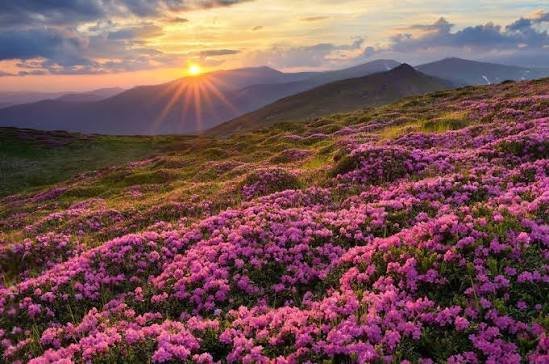
The best month to visit Gangtok might be the spring season. This period has pleasantly warm and cool air, clear skies, and colorful flower blossoms that turn every hillside in shades of red, pink, and white. These come together for the Gangtok flower festival that has become a main attraction for nature lovers and photographers alike. March is a comfortable month to kick off the season, with cool nights, comparatively warm days, and early blossoms on the upper reaches of the state. As we head into April, Gangtok and see more crowds as hikers and nature lovers discover the region at this time of the year. If the flowers are your thing, be sure to make a stop at Yumthang Valley flowers, which peak in this region between late April and early May. T May might be a great choice to visit North Sikkim as the roads reopen just after post-winter.
Best for: Flower season, clear views, and sightseeing.
Worst for: Accommodation can be pricey during this peak season.
June to September in Sikkim
Monsoon: The Underrated Wildcard
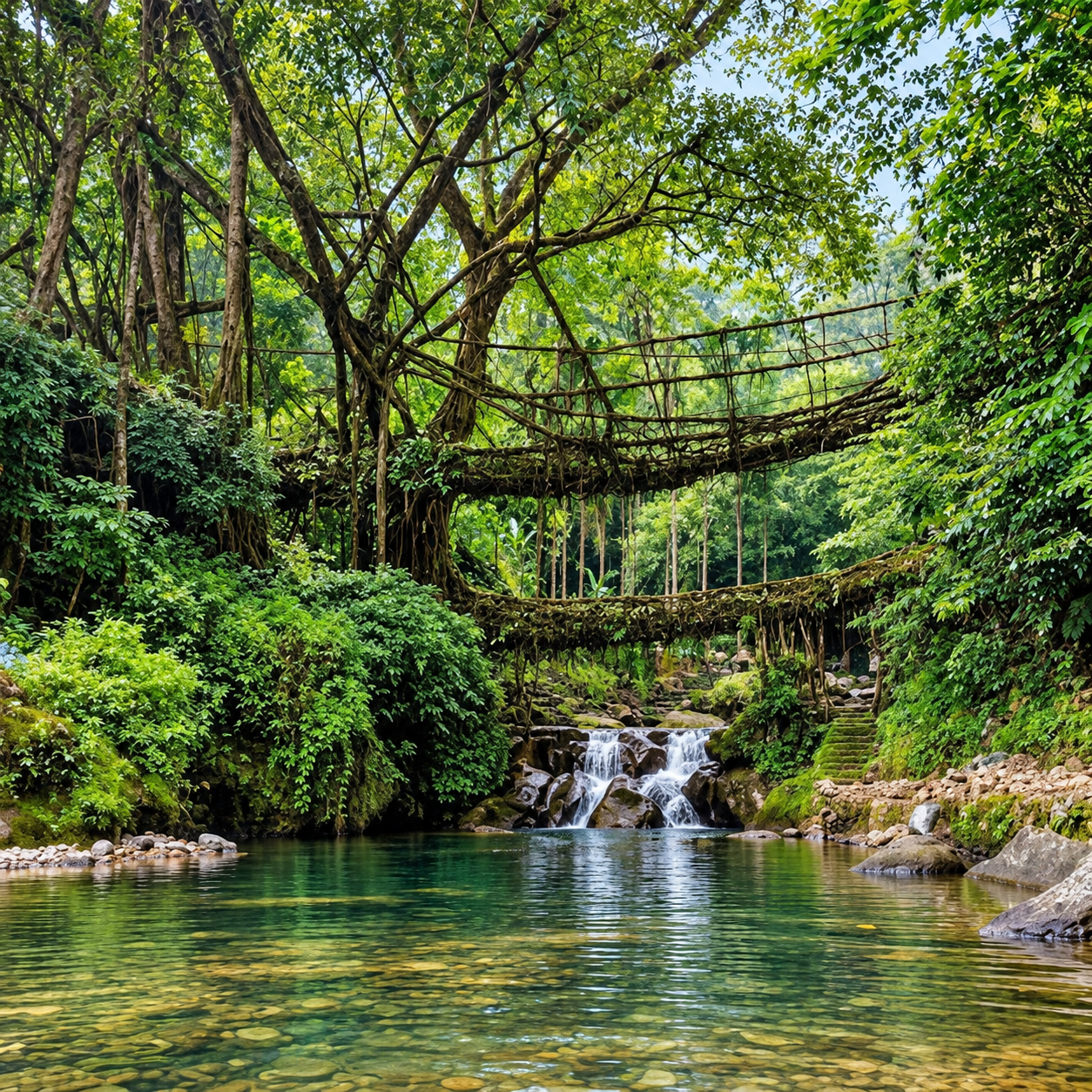
Gangtok weather in this period is best avoided, say most travel guides. We’d have to disagree, as this is the period when the area boasts of its most lush and beautiful green landscape with reduced crowd numbers and lower hotel rates. However, the weather is notoriously fickle, with bright spells of sunshine giving way to torrential downpours within the same day, and it’s not unheard of for landslides to take out the road to North Sikkim.The monsoon sees the region’s eponymous pine forests turn lush and green. The best time to visit Gangtok in this period falls in August, which sees similar weather patterns to July but with occasional heavy downpours as well as the occasional spell of fog-draped mornings. These change to generally clear skies as we head towards September, with the region also gearing up for its favorite time of the year.
Best for: Budget travel, fewer crowds, and lush scenery.
Worst for: Landslides can take out popular roads to North Sikkim
October – Early December
Autumn: The Clarity Champion
If you are looking for that one sure-shot answer to the question, the best time to visit Gangtok as well as Darjeeling together is then; we can suggest the month of October. The skies clear up completely because of post-monsoon gyi significantly reduced humidity, and the mountain views (including Kanchenjunga) are at their sharpest.October has pleasant daytime temperatures with comfortably cool evenings for wandering the MG Marg.
Best for: Clear mountain views and road trips.
Worst for: This is peak season, so expect to book ahead
Mid-December to February in Sikkim
Winter: Snow Season, Obviously
This is the time of year when Gangtok turns into a snow-covered wonderland. It gets cold and only gets colder as we head into the deep winter, making this a preferred destination for snow-chasers. Gangtok snowfall is a real treat, especially at higher altitudes.
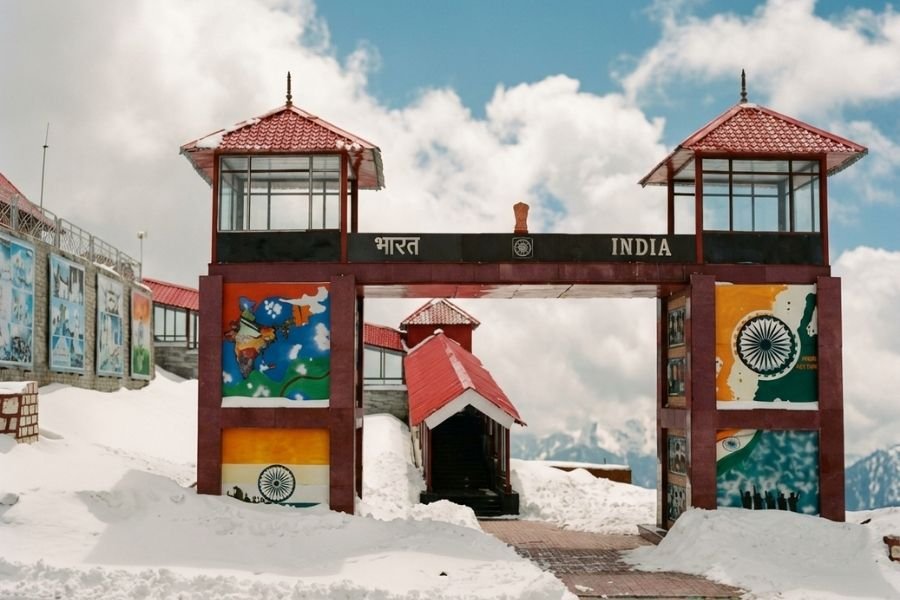
If the reason for visiting Gangtok is snowfall, this is the best time to visit Sikkim for snow. This period sees excursions to popular spots like Tsomgo Lake and Zero Point often covered in snow throughout January, which is great for any budding snowman-builder. Thermal wear is recommended over regular jackets, as Gangtok town can get quite cold at night. February begins to see temperatures rise gently while maintaining good snowfall prospects at higher altitudes, with generally better conditions in the town itself.
Best for: Snowfall and winter wonderland photography.
Worst for: Cold nights and occasional snow-bound roads.
What's the Actual Best Season?
It depends on the kind of holiday photo you want to show your friends.
- Flowers and pleasant weather → March-May
- Quiet, green, and budget-friendly → June-September
- Clear mountain views and road access → October-early December
- Snowfall and winter wonderland → Late December-February
Here you found an honest answer to the query about the best time to visit Sikkim. There’s hardly a one-size-fits-all season; it’s all about the type of holiday you’re looking to have.
Comparison Sheet based on Months
Months | Weather Vibe | Best For |
Mar – May | Mild, blooming, clear | Flowers, sightseeing |
Jun – Aug | Warm, humid, rainy spells | Budget travel, greenery |
September | Clearing gradually | Fewer crowds |
Oct – Nov | Cool, crisp, and clearest views | Mountain views, road trips |
Dec – Feb | Cold, possible snow | Snow chasing |
Quick Tips Before You Book
- Carry some extra cold-resistant dresses regardless of the season, as it can get cold in Gangtok quickly.
- Kindly book your North Sikkim permits early in the season, like Durga Puja or festivals like Diwali, or otherwise at peak summertime (Oct-Dec, Mar-May). Most excursions (Tsomgo Lake, Nathula Pass, and Yumthang Valley) tend to be on or near the state border and require a permit.
- You can expect snowfall to happen at this time.
- Add a few extra days for monsoon itineraries.
- Fly into Bagdogra or Pakyong, as there are no airports in Gangtok.
Gangtok and its charm remain consistent all year round, with visitors and nature lovers finding a lovely experience in the preferred season they choose to visit. It makes it more a matter of personal preference to list the best time to visit Gangtok. Chasing flowers in spring, enjoying the quiet in the monsoon, seeking clarity in the autumn, or simply marveling at the snowfall are all useful and good options, each with an appropriate set of precautions and preparations.
There is no wrong or bad time to visit Gangtok, just one better suited for your holiday plans.
- Carry some extra cold-resistant dresses regardless of the season, as it can get cold in Gangtok quickly.
What is the best time to visit Gangtok?
March to May and October to November are popular periods for pleasant weather and sightseeing.
Which month is best for snowfall in Gangtok?
December to February offers the best chance of experiencing winter and snow in higher-altitude areas.
Is Gangtok worth visiting during the monsoon?
Yes, but expect rain, lush greenery, fog, and possible road disruptions.
When can I see flowers in Gangtok?
March to May is ideal for enjoying colourful flowers and blooming landscapes.
When can I get the clearest Kanchenjunga views?
October to November generally offers clearer skies and better mountain visibility.
How many days are enough for Gangtok?
A 3 to 4-day trip is usually enough to explore Gangtok and nearby attractions.