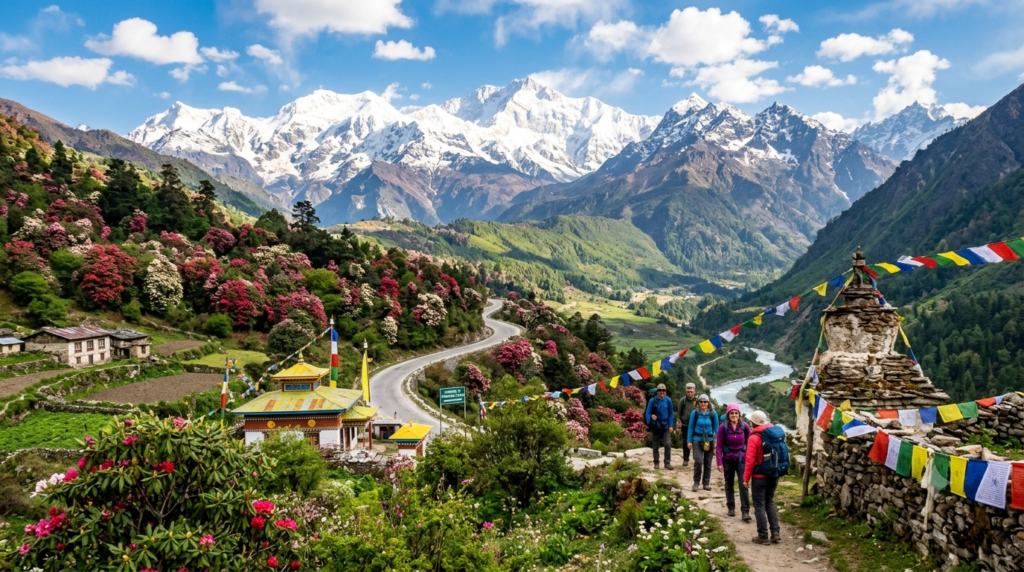
Here’s a sentence that makes trip planners more than they should be, which is that Sikkim is not one climate. Gangtok can be sipping tea in a light jacket, while just three hours to the north, Yumthang Valley is under snow and the road hasn’t opened yet. Peeling might be drowning in monsoon mist while Lachen is having the clearest week of the year. What you should rather ask is “When should I visit Sikkim?” and the honest answer to that question is “Which Sikkim do you mean?”
That is the reason this guide is written for: not just naming a “best” month and moving on, but to make you walk through what each season actually does to this state, so you can match your trip to what you want to see, such as snow-capped Kachenjunga at sunrise, valleys exploding into rhododendron color, or a calm, crowd-free monastery visit in the off-season.
The Short Version
If you want a clear-cut answer, October to May is the best time to visit Sikkim for most travelers, with October-November and March-May as the two sweet spots for clear mountain views, comfortable temperatures, and mostly open roads. But which of those months is ideal for you specifically depends heavily on what’s actually on your itinerary, so let us break it down properly.
Spring (March to May): Flowers, Clear Skies, and Fewer Crowds Than Autumn
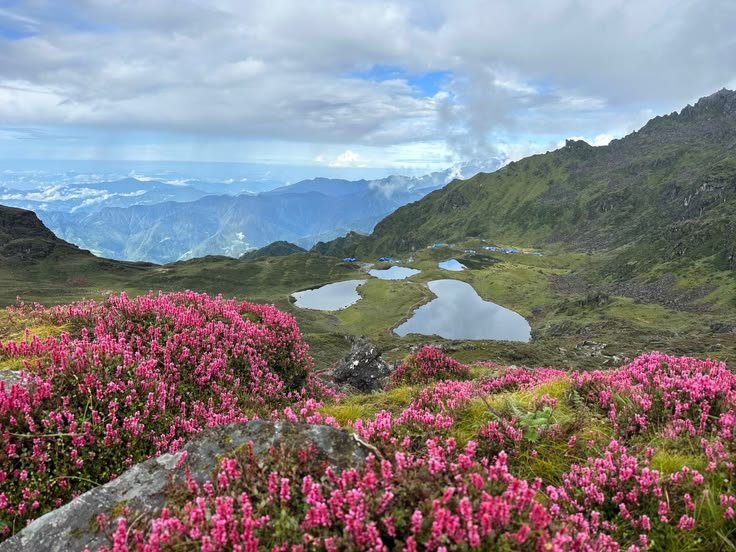
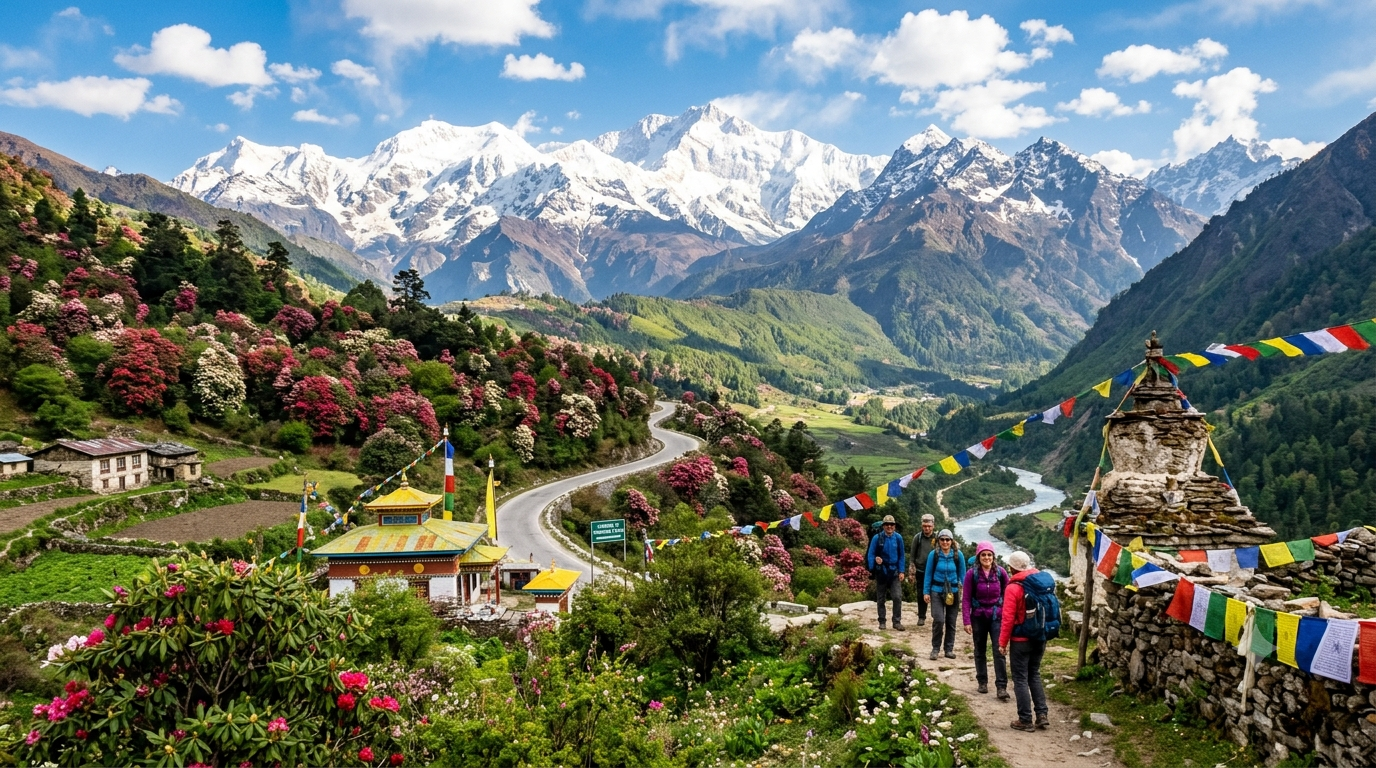
Spring is no doubt the best season to visit Sikkim if rhododendrons are on your bucket list. During this time, the state turns into a genuine wildflower spectacle, especially around Yumthang Valley, which also has a nickname, “Valley of Flowers.” Daytime temperatures in Gangtok sit very comfortably, as it ranges between 15 and 20℃; the mountain view remains sharp and unobstructed, and the winter snow remains clear enough for North Sikkim’s roads to reopen.
- Best for: Rhododendron season, trekking, and North Sikkim road trips before the summer crowds
- Watch out for: Late May afternoon showers as the monsoon season starts creeping in
- Northeast Cabs note: North Sikkim routes towards Lachen and Lachung typically reopen by late March or April, but road conditions can still be patchy right after winter, which is worth a quick check before you lock in dates.
Summer Monsoon (June to September): Green, Misty, and Genuinely Underrated
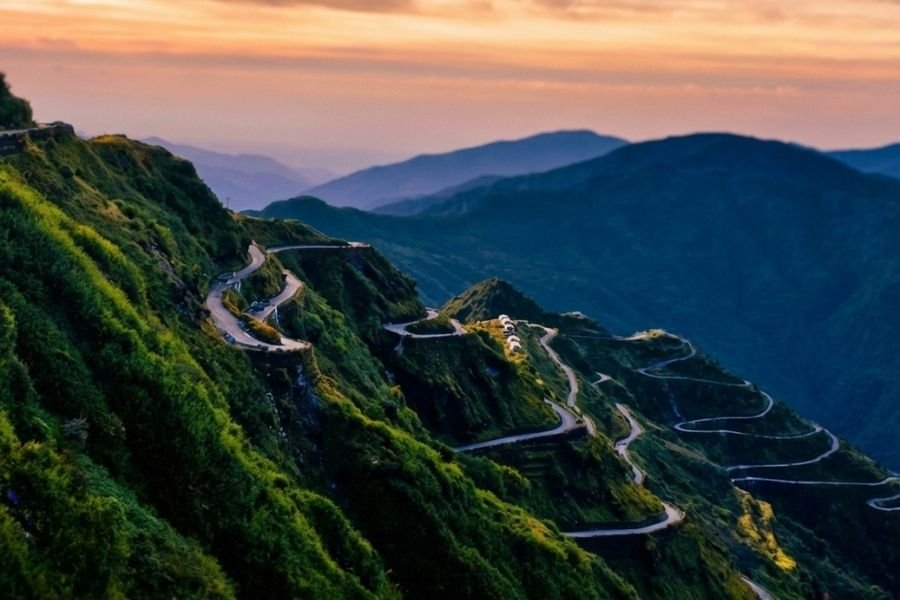
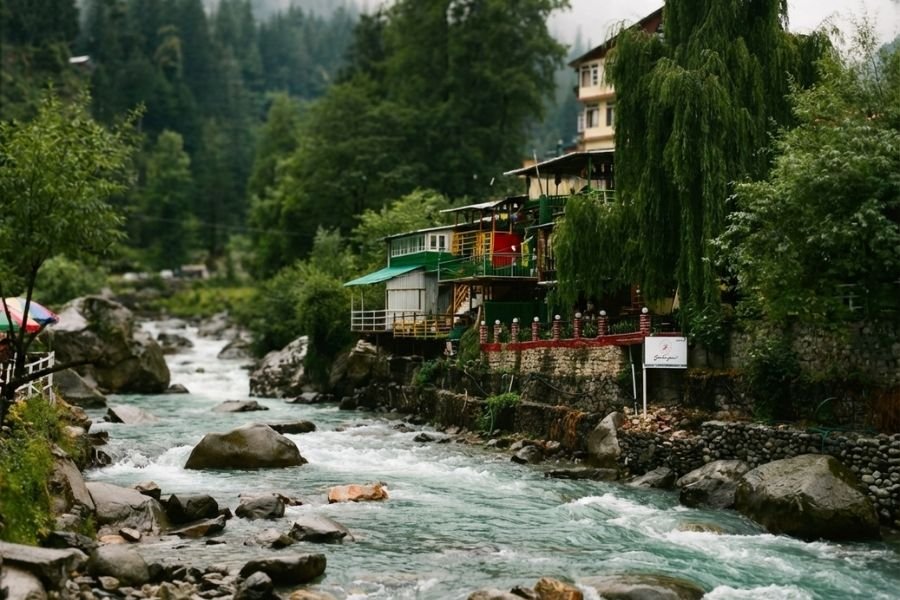
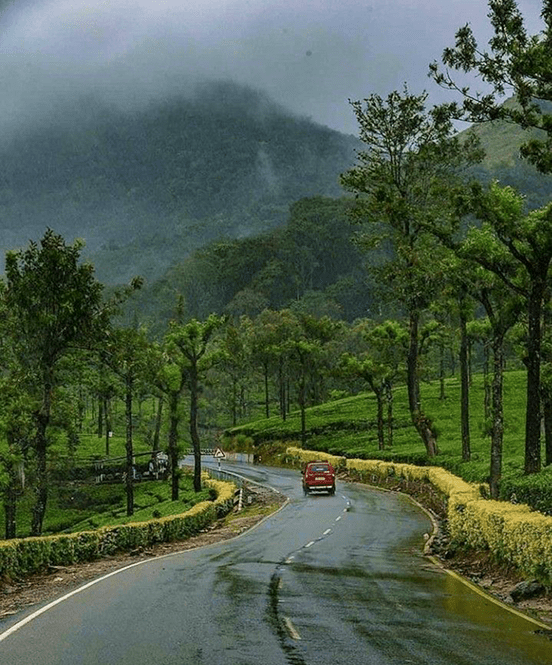
Summer brings warm days (up to 25℃ in Gangtok) but also the monsoon, which comes hard from June through September; during this time you can expect rain, cloud cover that can hide Kachenjunga for days at a stretch, and a real risk of llandslide-relatedroad closure on the routes to North Sikkim. It does not make it automatically a reason to skip it, as the valley turns a saturated, almost impossible green, waterfalls hit their peak flow, and you will have the most monasteries and viewpoints refreshingly to yourself.
- Best for: Budget travel, lush photography, avoiding peak season crowds and prices
- Watch out for: Landslide-prone stretches on the North Sikkim highway, and limited visibility at high altitude viewpoints
- Good to know: This is genuinely the quietest window if crowds bother you more than clouds do
Autumn (October to November): The Postcard Season
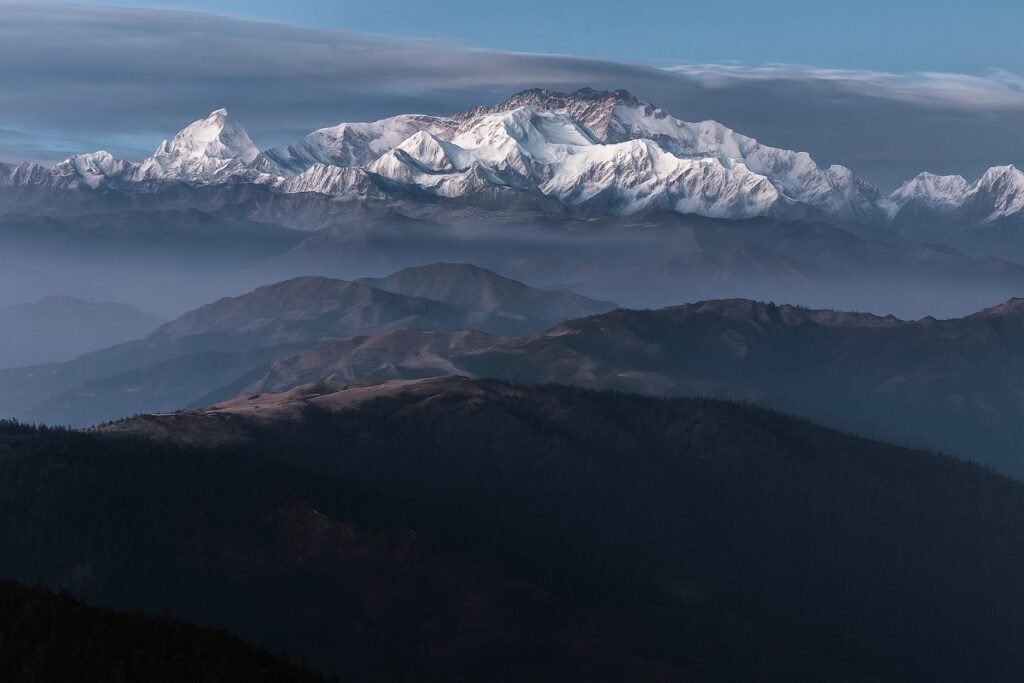
Winter is the season most people either love or skip entirely, and both reactions make sense. Gangtok remains cool but manageable (5-15℃), while North Sikkim genuinely transforms. This is the best time to visit Sikkim for snow, with Yumthang Valley, Gurudongmar Lake, and the roads around Lachen and Lachuung regularly blanketed in white. Well, the catch is that heavy snowfall periodically shuts those same roads, so North Sikkim access becomes unpredictable, and it is not the reason if you are hoping to see Kanchenjunga summit clearly (haze and cloud cover pick back up).
- Best for: Snow, quiet monasteries, a genuinely different feeling in Sikkim than the autumn postcard version
- Watch out for: Road closures to North Sikkim after heavy snowfall and sub-zero nights at higher altitudes.
North Sikkim Deserves Its Own Calendar
If someone asks you to name the best month to visit Sikkim, October and April are the two safest bets, but here is the fuller picture.
- March-May: Flowers, clear skies, ideal time to visit Sikkim for trekking and North Sikkim
- June-September: Green, quiet, cheaper, but cloudy and monsoon-affected
- October-November: The best season to visit for views and festivals, and also the busiest
- December February: Snow season, especially for North Sikkim, with unpredictable road access.
Sikkim temperature ranges swing more with altitude than with the calendar. Gangtok rarely drops below freezing even in January, while North Sikkim regularly does, so factor elevation into your packing list as much as the month itself.
Planning the Rest of Your Trip
Once you have chosen your season, the logistics fall into place first:
- Sikkim (Gangtok) Tour Packages and How to Reach Sikkim (Gangtok) from your city
- Best Places to Visit in Sikkim and Things to Do in Sikkim
- Weather in Sikkim and the Sikkim Month-by-Month Guide for a more granular month-specific breakdown.
- Combining Sikkim with Bhutan, Meghalaya, or Assam? Tripjyada’s Best Time for a Northeast India Circuit Tour lines up the season across all four.
Whichever season you may land in, Northeast Cabs runs on fixed routes out of both Bagdogra Airport (IXB) and NJP Railway Station, and its drivers track seasonal road and permit conditions for North Sikkim in real time. It is genuinely useful when your travel dates sit close to a seasonal changeover.
FAQs
What is the best time to visit Sikkim?
October to May, with October-November and March-May as the strongest windows for clear mountain views and comfortable weather. The right month within that range depends on whether you’re chasing flowers, snow, or festival season.
What is the best time to visit North Sikkim?
Roughly April to mid-June and September to early December, North Sikkim’s roads are snow-dependent and can close unpredictably outside these windows, especially in peak winter.
Is Sikkim good to visit in the monsoon?
It’s underrated, not unworkable. June to September brings lush green landscapes and thin crowds but also rain, cloud cover, and a real risk of landslide-related delays on North Sikkim routes.
When is the best time to visit Sikkim for snow?
December to February, particularly for Yumthang Valley, Gurudongmar Lake, and the Lachen-Lachung region; just build flexibility into your itinerary in case heavy snowfall closes the road.
What is the coldest month in Sikkim?
January is typically the coldest, especially at higher elevations in North Sikkim, where nighttime temperatures regularly drop below freezing.