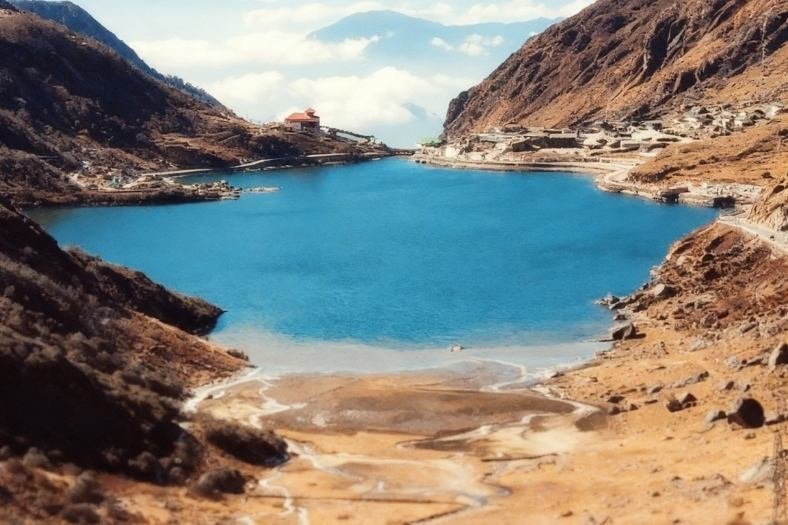

The soft transition of Sikkim begins in March. Winter starts to ease off; the days are more comfortable in the lower hills, and spring begins to show itself. But way up in the Himalayas, Tsomgo Lake still has a lot of winter magic. Tsomgo Lake, or as it is also known, Changu Lake, is at a distance of some 38 km from Gangtok, at an altitude of about 12,400 ft.
The sacred lake is surrounded by rugged mountains, and its appearance changes with the seasons. Snow may still be present around the lake in March, particularly in the first half of the month. Planning a trip? This Tsomgo Lake in March travel guide covers the weather, snow, things to do, permits, and practical tips you need to know.
Tsomgo Lake in March at a Glance
| Travel Factor | Details |
| Location | Around 38 km from Gangtok |
| Altitude | Approx 12,400 ft |
| Weather | Cold and changeable |
| Snow | Possible, especially in early March |
| Main attractions | Lake, mountain views & yak rides |
| Permit | Required |
| Clothing | Warm layers, gloves, cap & sturdy shoes |
How is Tsomgo Lake in March?
March is a transitional month at Tsomgo Lake. The lake is still very much in the high-altitude Himalayan zone, but places down below start becoming milder. Snow may continue to prevail in Sikkim till late March, especially at higher elevations. The quantity of snow around Tsomgo Lake is different from year to year depending on the snowfall and temperature.
Earlier in March, the surroundings are more likely to be distinctly wintry. By the second half of the day, some snow could begin to melt and reveal more of the mountain scenery below. The lake itself can be frozen, partially frozen, or open depending on when you visit.
Weather at Tsomgo Lake in March
Don’t let Gangtok’s relatively pleasant weather fool you. Tsomgo Lake is at a much higher altitude, so it can get quite a bit colder. March usually sees the start of a change in Sikkim to warmer weather, but it can still get very cold in high-altitude destinations. Mountain winds and cloud cover can make it feel even colder.
Layering is the best way to wear it for this reason.
Take a warm jacket, thermal innerwear, gloves, woollen socks, a cap, and comfortable shoes with good grip. Sunglasses and sunscreen are also useful, as sunlight can be intense at altitude, even when the air is cold.
Is it possible to see snow at Tsomgo Lake in March?
Yes, snow is still possible at Tsomgo Lake in March. There’s usually a better chance of seeing leftover winter snow in the first half of March, but there’s no sure thing. Snowfall can vary widely, and weather conditions can change from year to year.
If you always wanted to see a snow-capped Himalayan lake, then March can still provide you with that experience, without it being peak winter. If you are eager to see heavy snow, it is best to check recent local conditions before finalising your travel plans.
Activities at Tsomgo Lake in March
1. Lake of Admiration
Of course, the lake is the main attraction. The surface might be icy or partly frozen, with snow-covered slopes around it, depending on the weather. Colourful prayer flags fluttering against the mountain background add another dimension of character to the landscape.
Instead of just a quick photo stop at Tsomgo, take a few minutes to enjoy the view.
2. Take a Yak Ride
Yak rides are one of the experiences associated with Tsomgo Lake. These beautifully decorated animals can be seen around the lake and make for memorable photographs and a quintessential Sikkim experience. If you do ride, follow the local operators’ instructions and treat the animals with respect.
3. Picture
Lots of mountain photography opportunities in March. Snow patches, prayer flags, winding roads, dramatic clouds, and the lake itself all make for striking photographs. Weather can change quickly, so when the skies clear up suddenly, have your camera or phone ready.
4. Baba Harbhajan Singh Temple
Tsomgo Lake is often combined with a trip to the Baba Harbhajan Singh Memorial Temple.
The memorial is situated further on the way to Nathula and is often part of the day trips from Gangtok. If you plan to continue to Nathula Pass, it is a separate regulated area, and you will need the appropriate permit.
How To Get To Tsomgo Lake
Distance from Gangtok: Approx 38 Km from Gangtok. The route winds through mountains, forests and increasingly higher altitudes. Because of the sheltered position and the mountain conditions, visitors normally travel to the site in an authorised local vehicle or tour.
Weather conditions can include snowfall, ice, landslides, or other road conditions. So it makes sense to keep your schedule flexible, especially around the beginning of March. For travellers planning a Tsomgo Lake March itinerary, a day trip from Gangtok is the usual approach, often combined with nearby attractions depending on permits and road conditions.
Do You Need a Permit for Tsomgo Lake?
Yes. Tsomgo Lake is a protected area, and visitors need a Protected Area Permit (PAP).
The permit is generally obtained by Indian travellers through registered travel agencies or the concerned local authorities. Foreign visitors have different permit requirements and should contact a registered travel agency. It’s best to get your paperwork sorted out before you go on your trip rather than trying to sort it all out on the day.
Tsomgo Lake in March – Should You Go?
March is an interesting time to travel as it sits directly between winter and spring. Especially during the first half of the month, you might still find snow-covered landscapes, icy spots, and cold mountain winds. At the same time, lower parts of Sikkim are beginning to feel more like spring.
If you want flowers and greenery in spring, wait until the later months. But if you want a blend of snow, crisp mountain air, and dramatic Himalayan scenery, March can be a rewarding option. So, rather than looking for one fixed best time Tsomgo Lake March, consider what kind of landscape you want to experience and check current conditions before travelling.
Visiting Tsomgo Lake in March
- Get out of Gangtok early to make the most of the day.
- Pack multiple warm layers rather than a single heavy jacket.
- Wear sturdy shoes with good grip.
- Have your identification documents ready for the permit process.
- Drink plenty of fluids and avoid strenuous exercise at high altitude.
- Before leaving Gangtok, check the current road and weather conditions.
- Be flexible with your schedule as the weather in the mountains can change quickly.
- Please do not litter and show respect for the lake and its natural and cultural value.
Make the Most of Your Tsomgo Lake Visit
Tsomgo Lake in March is a wonderful confluence of two seasons. You can still see the winter in the form of snow and ice, and spring is silently making its way in Sikkim. The road to Tsomgo Lake is as memorable as the lake itself, with its high altitude, prayer flags in bright colours, mountain views, and changing weather. Dress warmly, book your permit ahead of time, and leave some room in your itinerary for the mountains to surprise you. Sometimes, that’s the best way to experience Sikkim.
Frequently Asked Questions
March offers a distinct travel experience in Tsomgo Lake — this guide covers what to expect.
March weather in Tsomgo Lake varies by region; check the detailed breakdown in this guide.
This guide highlights the best places to explore in Tsomgo Lake during March.
A well-paced 4-6 day itinerary works well for Tsomgo Lake in March, covering key highlights.
Pack according to March conditions in Tsomgo Lake, including layers and rain protection if needed.
Season type affects pricing and crowd levels in Tsomgo Lake — this guide clarifies where March falls.