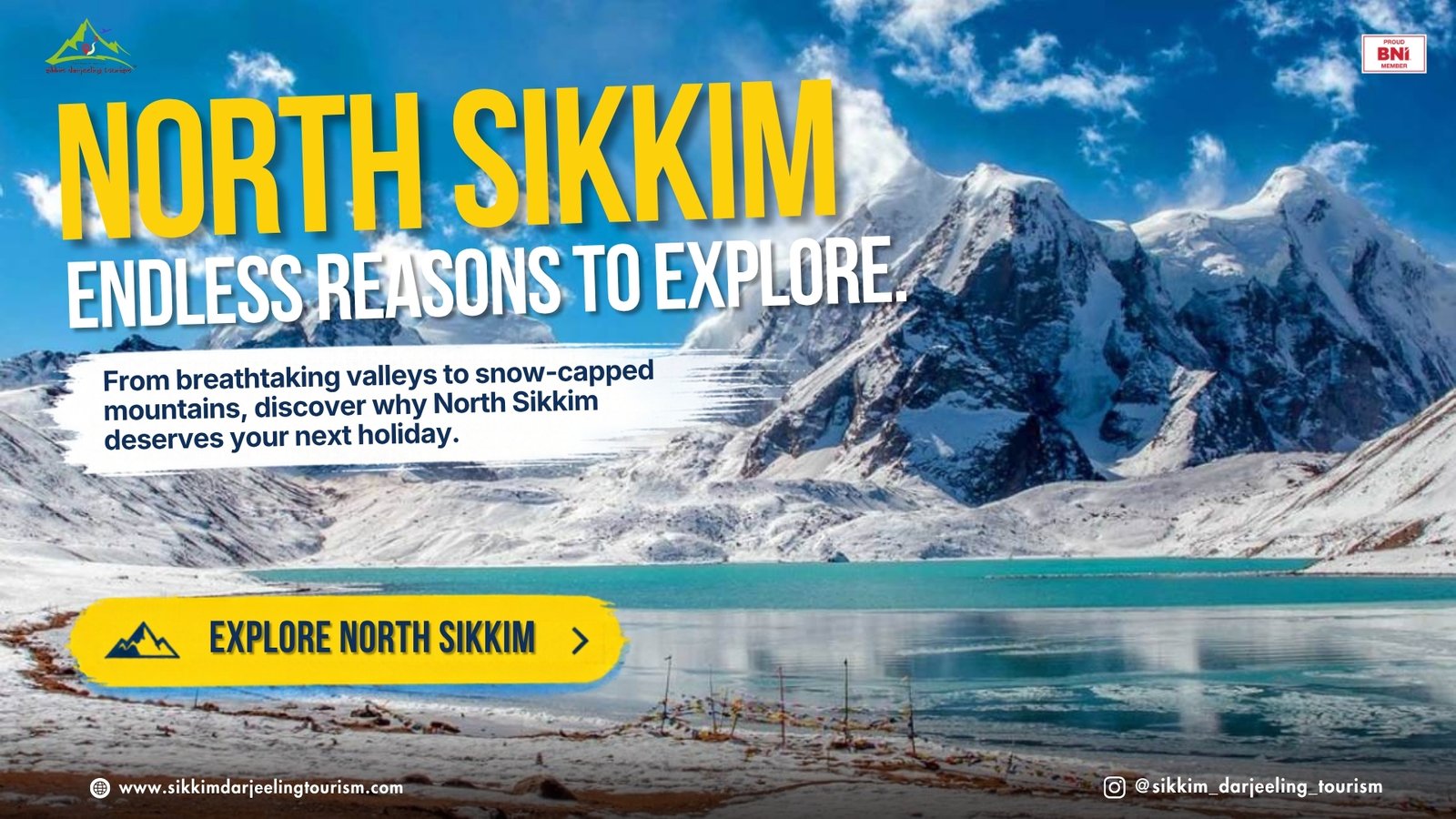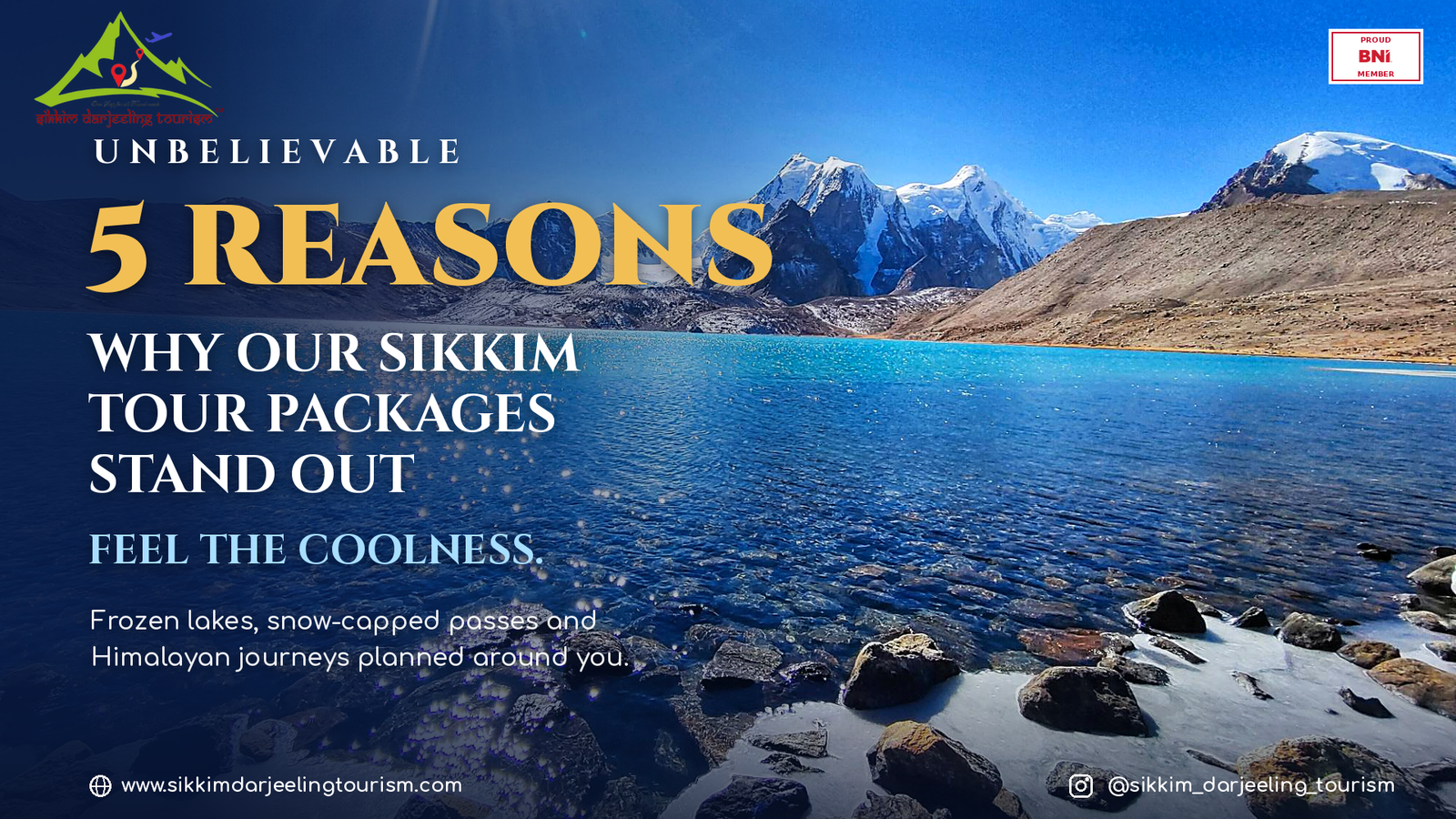

January gives Sikkim a very different personality. The green hills quiet down, the air becomes crisp, and higher up the land starts to look like it belongs on a winter postcard. One of the most dramatic places to see this transformation is Tsomgo Lake, also known as Changu Lake, at around 12,400 feet.
About 38 km away from Gangtok is the holy high-altitude lake surrounded by steep mountain slopes, and it can stay frozen in winter. If you dream of snow-capped mountains, icy landscapes, and a true Himalayan winter experience, a tsomgo lake in january travel guide can be unforgettable. But January also means unpredictable weather and possible road closures, so a little planning can go a long way.
Why Is Tsomgo Lake Special In January?
In winter, the lake might freeze, and the surrounding mountains may be blanketed in snow. When the weather clears, the landscape is a striking mix of white slopes, dark mountain edges, and crisp blue skies. Sikkim Tourism itself mentions that the lake is frozen in winter and the surrounding area is covered with snow. But you cannot be sure to have fresh snow on a particular day. Weather can change rapidly at this elevation, and heavy snow can impact access to the lake. Tsomgo Lake Weather in January
Tsomgo Lake is located in the coldest time of the year, i.e., January. Temperatures can be well below freezing during the early morning and in periods of bad winter weather. Don’t wait for a set temperature forecast; prepare for sub-zero temperatures, strong winds, and icy surfaces. Weather changes and snowfall can also impact visibility and road conditions. This is one destination that should be on your winter packing list. A warm jacket, thermals, gloves, woollen socks, a cap, and sturdy waterproof shoes are much more useful than fashionable but thin winterwear.
Is Snow Visible at Tsomgo Lake in January?
Yes, snow is possible and often there around Tsomgo Lake in January, but it varies with recent weather. On the way from Gangtok, one can encounter snow-covered slopes, frozen portions around the lake, and snowy roads. A fresh snow can make the entire landscape look stunningly white.
But don’t book the trip expecting a sure snow show. Weather in the high mountains doesn’t follow a holiday itinerary. Heavy snow can make roads impassable or difficult to travel. Authorities may close roads when conditions are dangerous.
How to get to Tsomgo Lake from Gangtok?
Tsomgo Lake is generally visited as a day trip from Gangtok. The lake is approximately 38 km away from Gangtok, but the road meanders through the hilly Himalayan terrain and the journey is much more than that. The journey is part of the experience. As you leave Gangtok, you will notice the change in the landscape from forested hills to rugged high-altitude terrain. But in January, allow more leeway to bend. Travel time can be affected by snow, ice, poor visibility, or temporary road restrictions. For a visit tsomgo lake in january, it is sensible to check road conditions shortly before departure and keep some flexibility in your sightseeing schedule.
Is a permit required for Tsomgo Lake?
Yes. Tsomgo Lake is located in a protected border area and, as such, visitors need to have the relevant permit. The Government of Sikkim says permits for Tsomgo and other protected areas are issued by designated authorities and registered local travel agents or tour operators. Foreign visitors are also required to obtain a permit and to comply with the applicable group and guide requirements. Carry original identification documents as required & passport-size photographs. The government also recommends that visitors have several copies of permits, as they may be checked at different points.
Things to Do at Tsomgo Lake in January
1. Take in the Frozen Scenery
The lake itself is just the biggest attraction. Tsomgo in its frozen form looks very different from its turquoise glory in the warm season. Take your time to enjoy the surrounding mountains and take pictures from designated areas.
2. Go for a Yak Ride
You will find colourfully decorated yaks around the lake, a traditional and memorable way to experience the snowy surroundings. Snow boots and gumboots can also be hired locally, subject to availability.
3. Visit to Baba Harbhajan Singh Memorial
A visit to the Baba Harbhajan Singh Memorial Temple is often combined with a day trip to Tsomgo Lake, depending on road and weather conditions. Conditions in January can change rapidly, so do not assume every stop on the normal sightseeing route will be accessible on the date of your trip.
4. Stop For A Warm One
Near Tsomgo Lake, there are small eating stalls that serve snacks and hot drinks for visitors. After suffering the freezing mountain air, it is easy to believe that a steaming cup of tea is part of the sightseeing.
Visiting Nathula Pass in January: Can You?
You can also combine a Nathula Pass tour with a Tsomgo Lake trip, but access to Nathula is more limited and weather-dependent. Nathula passes are issued to Indian nationals only, and the pass is governed by some operating rules, according to the Government of Sikkim. Weather may cause closures. So January snowfall can alter your itinerary. Even Tsomgo Lake may not be accessible. Nathula may not be accessible.
What to wear at Tsomgo Lake in January
Don’t underestimate the cold.
Pack:
- Thermals (underwear),
- Heavy winter coat
- Wool sweater or fleece
- Gloves and socks, woollen
- Warm hat or beanie
- Waterproof shoes with good grip
- Sunglasses
- Lip balm and moisturiser
Wear layers, not just one super thick jacket. As the temperature changes during the trip, you can add or remove layers.
Tips for a Trip to Tsomgo Lake in January
- Start early: Mountain weather can change during the day, so an early start is useful.
- Check road status: Snowfall can lead to temporary closures or delays. The Government of Sikkim specifically warns that weather-related closures may happen without any notice.
- Don’t go on the frozen lake: The surface of ice may look solid, but it may not be safe. Remain in designated visitor areas.
- Altitude is not to be taken lightly: Tsomgo Lake is at about 12,400 feet. Move slowly; don’t strain yourself needlessly and give yourself time to adapt.
- Have a flexible itinerary: January is a great time of year because it is winter—but winter also has the last word.
Is it a good time to visit Lake Tsomgo in January?
The best time tsomgo lake january really depends on what you want from the experience. If your concept of a Himalayan holiday involves snow, freezing temperatures, and dramatic winter scenery, then January presents an interesting time to visit. The lake might be frozen, the mountains around covered in snow, and the whole landscape feels quieter and more dramatic than in the warmer months.
But snow can also create problems for roads and sightseeing plans, so travellers should be prepared for last-minute changes. That is to say, don’t expect perfect weather in January. It is about accepting the possibility of seeing Tsomgo Lake in its most wintry avatar – and letting the mountains decide the rest.
Frequently Asked Questions
January offers a distinct travel experience in Tsomgo Lake — this guide covers what to expect.
January weather in Tsomgo Lake varies by region; check the detailed breakdown in this guide.
January weather in Tsomgo Lake varies by region; check the detailed breakdown in this guide.
This guide highlights the best places to explore in Tsomgo Lake during January.
A well-paced 4-6 day itinerary works well for Tsomgo Lake in January, covering key highlights.
Pack according to January conditions in Tsomgo Lake, including layers and rain protection if needed.
Season type affects pricing and crowd levels at Tsomgo Lake—this guide clarifies where January falls.