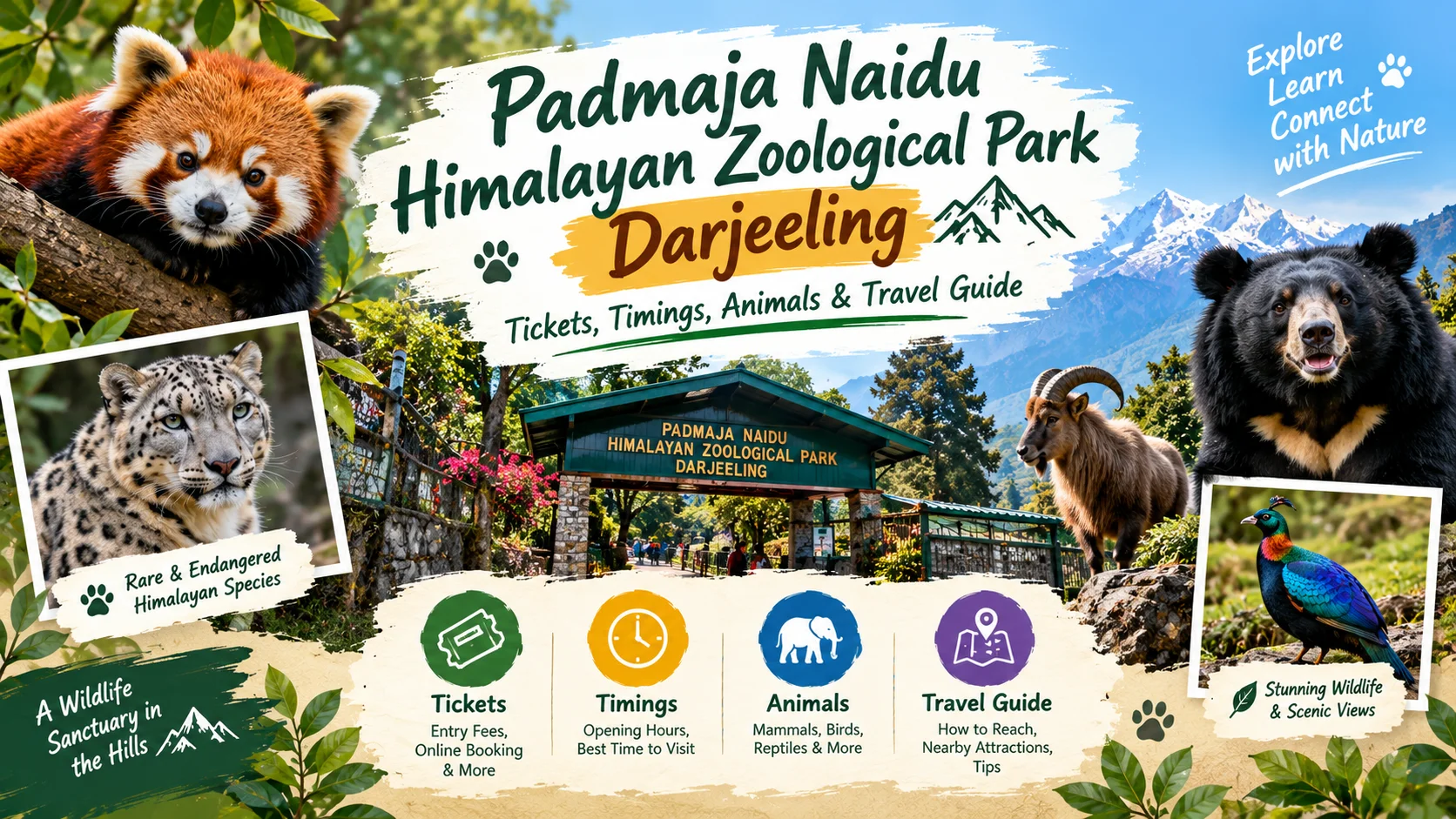
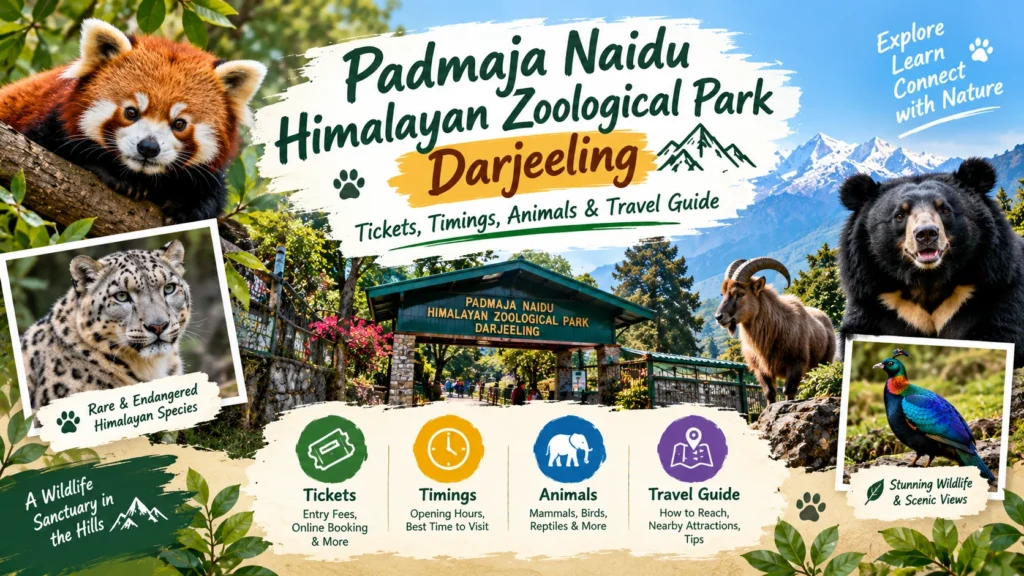
Darjeeling is known for its tea gardens, toy train, colonial charm and spectacular views of the Himalayas. But tucked away on the slopes of Jawahar Parbat is a place that offers a completely different experience – the Padmaja Naidu Himalayan Zoological Park. Often simply called Darjeeling Zoo, this is not an ordinary city zoo. Spread across 67.57 acres, the park is dedicated to the conservation and breeding of endangered and threatened Himalayan species. Only around 10 acres are open to visitors, while the remaining area includes zoo forests and conservation facilities.
The zoo is particularly famous for its work with the Red Panda and Snow Leopard, two of the most remarkable animals of the Eastern Himalayas. Its conservation programmes have given it an important place in India’s wildlife conservation story. If you are planning a Darjeeling trip and wondering whether the zoo is worth adding to your itinerary, the answer is yes especially if you enjoy wildlife, photography, nature and learning about Himalayan ecosystems.
In this detailed Padmaja Naidu Himalayan Zoological Park guide, we cover the ticket price, timings, animals, location, history, conservation programmes, best time to visit and essential travel information.
Where Is Padmaja Naidu Himalayan Zoological Park?
The Padmaja Naidu Himalayan Zoological Park is located at Jawahar Parbat in Darjeeling, West Bengal. The zoo sits on Birch Hill and is approximately 2 km north of central Darjeeling, making it relatively easy to include in a sightseeing itinerary.
Its elevated location is also part of its character. Instead of a flat urban zoo, visitors walk through a hilly environment surrounded by Himalayan vegetation.
The official zoo address is:
Jawahar Parbat, Darjeeling, West Bengal, India – 734101.
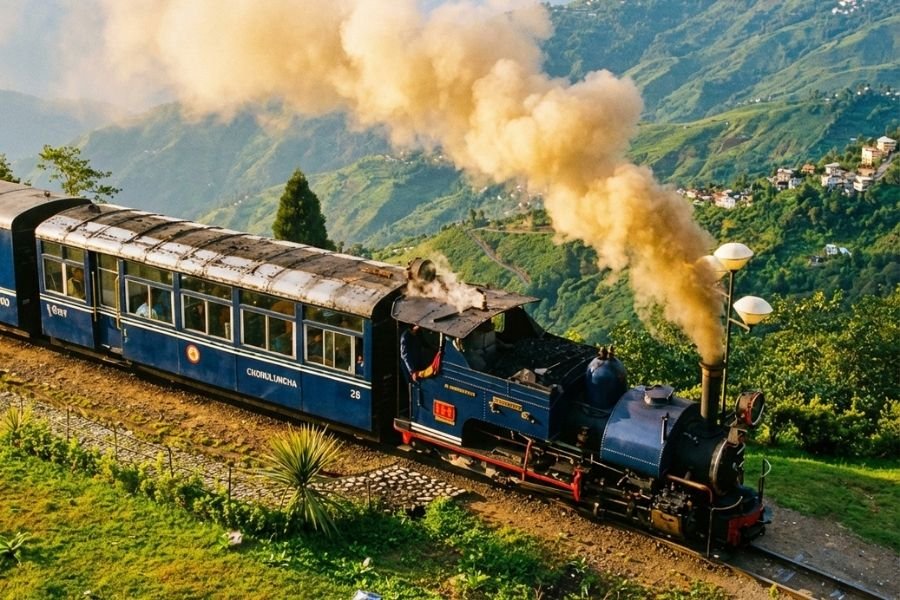
If you are planning a complete Darjeeling holiday around attractions such as the zoo, Tiger Hill, tea gardens, monasteries and the Darjeeling Himalayan Railway, a planned itinerary can make your trip much easier.
Explore Sikkim & Darjeeling Packages
Padmaja Naidu Himalayan Zoological Park Timings
One of the first things travellers usually want to know is the Darjeeling Zoo timing.
According to the zoo’s current official visitor information:
Opening time: 8:30 AM
Closing time: 4:00 PM
Weekly holiday: Thursday
The zoo currently lists the same 8:30 AM–4:00 PM visiting hours for the summer and winter schedules, with Thursday shown as the weekly closure day.
Darjeeling Zoo Timings by Day
- Monday: 8:30 AM – 4:00 PM
- Tuesday: 8:30 AM – 4:00 PM
- Wednesday: 8:30 AM – 4:00 PM
- Thursday: Closed
- Friday: 8:30 AM – 4:00 PM
- Saturday: 8:30 AM – 4:00 PM
- Sunday: 8:30 AM – 4:00 PM
If the zoo is an important part of your Darjeeling itinerary, avoid keeping it for Thursday.
Padmaja Naidu Himalayan Zoological Park Ticket Price
The current visitor fees listed by the official zoo are:
- Indian & SAARC adults: ₹110
- Children below 6 years: Free
- Foreign visitors: ₹180
- Camera: ₹10
These are the rates currently published by the zoo. Visitors should still check the official website before their trip because entry fees and visitor rules can be revised.
Is the Darjeeling Zoo Entry Fee Worth It?
For wildlife lovers, families and travellers interested in Himalayan species, the entry fee is relatively modest considering the conservation work associated with the park. The real value of the visit is not simply the number of animals you can see. It is the opportunity to learn about species that are adapted to some of the most challenging environments in the Himalayas.
Which Animals Can You See at Darjeeling Zoo?
The animals at Padmaja Naidu Himalayan Zoological Park are one of its biggest attractions.The park is home to a range of Himalayan mammals, carnivores, herbivores, birds, reptiles and amphibians.The official zoo describes its animal sections as lesser carnivores, herbivores and carnivores, along with pheasants, reptiles and amphibians.
Some of the notable species associated with the park include:
Red Panda
The Red Panda is arguably the most famous animal associated with Darjeeling Zoo.Its reddish-brown coat, masked face and gentle appearance make it one of the most popular animals among visitors.But the importance of the Red Panda here goes far beyond its appeal to tourists.
The zoo has operated a dedicated Red Panda conservation breeding programme, with the aim of maintaining a genetically and demographically viable captive population and supporting wider conservation efforts.The park has also been involved in Red Panda reintroduction work. Its official history records the release of four female Red Pandas into Singalila National Park in 2003–04, describing it as the world’s first reintroduction programme for the species.
Snow Leopard
The Snow Leopard is another major conservation species at the zoo.The park’s Snow Leopard conservation breeding programme began in 1983 as part of a global captive breeding programme, with the zoo later becoming a coordinating zoo for conservation breeding of the species.
For visitors, seeing a Snow Leopard is a memorable experience. For conservationists, however, the species represents one of the park’s most important long-term conservation programmes.
Other Himalayan Mammals
Depending on the animals currently housed and displayed, visitors may encounter species such as:
- Himalayan Tahr
- Himalayan Goral
- Blue Sheep
- Markhor
- Sambar Deer
- Barking Deer
- Asiatic Black Bear
- Himalayan Palm Civet
- Jungle Cat
- Leopard Cat
- Indian Tiger
- Common Leopard
- Black Leopard
- Slow Loris
- Himalayan Wolf
The park’s conservation programmes also include high-altitude herbivores such as Himalayan Tahr, Himalayan Goral and Blue Sheep.
Explore Packages + Custom Trip
If the Padmaja Naidu Himalayan Zoological Park is on your Darjeeling wishlist, it is easy to include it as part of a wider sightseeing itinerary.
You can combine the zoo with other popular Darjeeling experiences such as Himalayan viewpoints, monasteries, tea gardens, the Darjeeling Himalayan Railway and local markets.
For travellers who prefer a planned holiday rather than arranging hotels, transfers and sightseeing separately, explore our Darjeeling tour packages and choose an itinerary that fits your travel dates and interests.
FAQs
What is the ticket price of Padmaja Naidu Himalayan Zoological Park?
The zoo currently lists an entry fee of ₹110 for Indian and SAARC adults, while children below six years are free. The current listed fee for foreign visitors is ₹180. A camera fee of ₹10 is also listed.
What are the timings of Padmaja Naidu Himalayan Zoological Park?
The current visiting hours listed by the official zoo are 8:30 AM to 4:00 PM. The zoo is closed on Thursday.
Is Red Panda available at Padmaja Naidu Himalayan Zoological Park?
Yes. Red Panda conservation breeding is one of the park’s major programmes and is an important part of its conservation identity.
Is Padmaja Naidu Himalayan Zoological Park closed on Thursday?
Yes. The zoo’s current official timing information lists Thursday as the weekly closing day.
Where is Padmaja Naidu Himalayan Zoological Park located?
The zoo is located at Jawahar Parbat, Darjeeling, West Bengal, on Birch Hill.
How long should I spend at Darjeeling Zoo?
Around 1.5 to 2.5 hours is a reasonable amount of time for a relaxed visit, although wildlife enthusiasts and photographers may prefer longer.
Is Padmaja Naidu Himalayan Zoological Park suitable for children?
Yes. Families can enjoy the zoo, particularly because it combines wildlife viewing with an opportunity to learn about Himalayan animals and conservation.