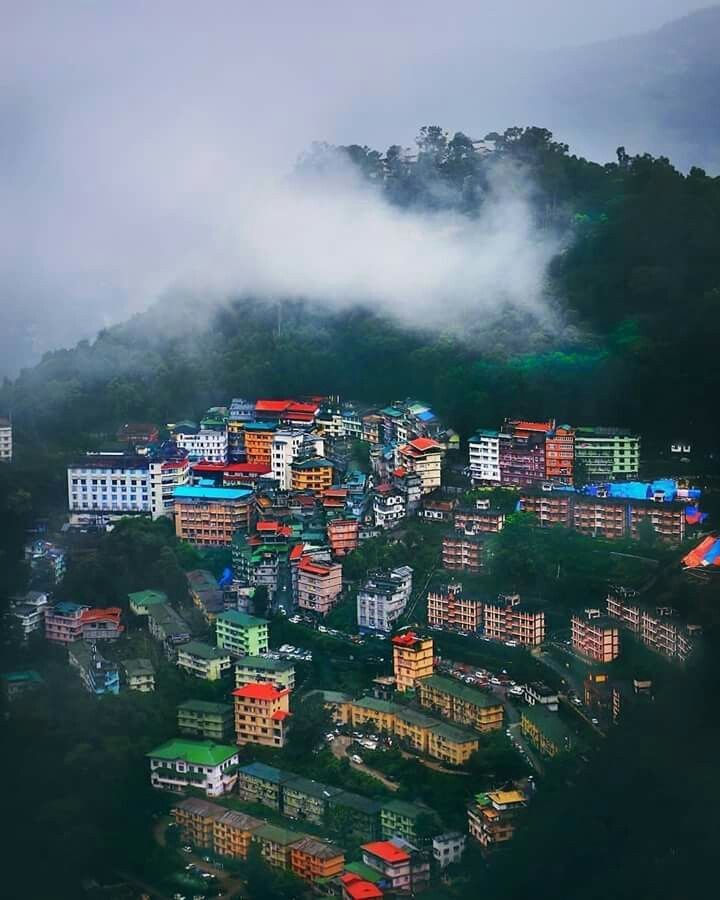
Sikkim is famed for its stunning Himalayan landscapes, monasteries, and peaceful mountain towns, but its cultural traditions are equally fascinating. Festivals unify communities year-round, bringing people together through prayers, traditional dances, music, rituals, and local food.
Sikkim’s festivals mirror the state’s diverse heritage, especially of its Bhutia, Lepcha, and Nepali communities. Buddhist celebrations in monasteries often feature colourful masked dances. Harvest and religious festivals bring families and communities together. If you plan to travel during one of these occasions, you may experience a more cultural side of Sikkim beyond its usual sightseeing spots.
Here are some of the most important festivals in Sikkim that you should know.
1. Tibetan New Year (Losar)
Typically held: February or March
Losar is the Tibetan New Year and one of the important Buddhist festivals celebrated in Sikkim. The festival is a new beginning. Families are cleaning their homes, making offerings, and gathering for festive meals.
One of the big attractions of Losar is Gutor Chaam, a traditional masked dance performed by monks before the New Year. Costumes, masks, and symbolic movements symbolise the victory of good over evil and are an important part of Sikkim’s Buddhist cultural heritage.
Why live it: It offers travellers a chance to experience traditional Buddhist rituals and monastery performances in a peaceful Himalayan setting.
2. Saga Dawa – Buddha Festival
Traditionally celebrated: May or June
Saga Dawa is one of the most important Buddhist festivals in Sikkim. It celebrates three major events in the life of Gautama Buddha – his birth, enlightenment, and attaining nirvana.
The festival is marked by prayers, religious rites, and acts of compassion. The high point of the celebrations is around the full moon, when Buddhist devotees gather at monasteries and holy places. For visitors, the festival is quieter and more spiritual, especially in and around Sikkim’s monasteries.
3. Pang Lhabsol – In honour of Mount Khangchendzonga
Typically observed: August or September
Pang Lhabsol is one of the most distinctive festivals of Sikkim. It has a deep connection with Khangchendzonga, which is spiritually very significant to the people of Sikkim.
The festival is famous for colourful Chaam dances in which monks wear elaborate masks and costumes. The festivities also emphasise the spiritual and historical bond between the people of Sikkim and the holy peak. If you are interested in the festivals in Sikkim traditions, Pang Lhabsol is worth experiencing.
4. Drukpa Tshechi – The Buddha’s First Sermon
Commonly seen in: July or August
Drukpa Tshechi is the day when Buddha is supposed to have given his first teaching after attaining enlightenment. The day is an important one in the Buddhist calendar and is celebrated in monasteries all over the state of Sikkim.
The celebration revolves around religious prayers and ceremonies. In some monasteries, visitors may also be able to observe traditional Buddhist practices and cultural activities.
It is a good option for tourists who are looking for a more spiritual and less commercial experience of Sikkim.
5. Kagyed Chaam – Traditional Masked Dance Festival
Celebrated usually: December
Kagyed Chaam is a spectacular Buddhist festival associated with the monasteries of Sikkim. Monks perform traditional masked dances, illustrating stories and themes from Buddhist mythology.
The dances symbolise the destruction of negative forces, the victory of good. Some festivities end with the burning of effigies made of flour, wood and paper. The colourful masks, elaborate costumes and dramatic choreography make Kagyed Chaam one of the most visually arresting cultural experiences in Sikkim.
6. Losoong / Namsoong – Harvest Festival of Sikkim
Date observed: December
Losoong is the traditional festival of the Bhutia community to celebrate the end of the harvest season. It is also known as the Namsoong among the Lepchas.
The festival is linked with thanksgiving after the agricultural year and is celebrated with family gatherings, traditional activities, and monastery dances. In addition, there might be archery competitions and other traditional activities during the celebrations.
Losoong is a time for travellers to witness the local traditions during one of the festive times of the state when visiting Sikkim in December.
7. Dasain – Biggest Festival of Nepali
Commonly celebrated: September or October
Dashain, also called Dasain, is an important festival for the Nepali community in Sikkim. The festival marks the triumph of good over evil and is closely associated with family reunions and blessings from elders.
The celebrations continue for several days and conclude with Vijayadashami, the day when the younger members of the family receive tika and blessings from the elders. Homes are filled with traditional food, family visits, and festive celebrations. If you are visiting Sikkim during Dasain, then you may find the local communities warmer and more celebratory.
8. Tihar – Festival of Lights
Typically seen in: October or November
Tihar is another significant festival of the Nepali community of Sikkim. It is a multi-day festival of lights, family traditions, and worship of different forms of nature and prosperity. Similar to Diwali in some ways.
Houses and neighbourhoods are decorated with lamps and colourful designs, and families prepare traditional dishes and sweets. A popular festive food is sel roti, a ring-shaped rice bread, traditionally associated with Tihar.
Tihar is a great time for tourists to experience Sikkim’s local homes, food and community celebrations.
9. Bhumchu – Holy Water Ceremony
Usually celebrated in: February or March
Bhumchu is a unique Buddhist festival associated mainly with Tashiding Monastery in West Sikkim. The festival is based around a sacred vessel containing holy water.
Traditionally, the remaining water in the pot is thought to be of great importance in predicting the coming year. Bhumchu is an important religious event in which devotees assemble for prayers and blessings. Bhumchu is a different perspective from the Buddhist traditions of Sikkim owing to its unique ritual and spiritual significance.
10. Tendong Lho Rum Faat – The Lepcha Festival
Commonly observed: August
Tendong Lho Rum Faat is the main festival of the Lepcha community. It is associated with the sacred Mount Tendong and the traditional belief system of the community.
According to Lepcha tradition, Mount Tendong was the refuge from a great flood. Thus, the festival celebrates and pays homage to the sacred mountain, while preserving the Lepcha cultural traditions. This festival is an opportunity for travellers interested in Sikkim’s indigenous heritage to learn about the traditions of one of the state’s oldest communities.
Best Time to Visit Sikkim: Festivals to Experience
Sikkim doesn’t have a festival season. There are celebrations all through the year, but spring, autumn, and winter are particularly interesting for cultural experiences. The dates of the festivals are based on Buddhist and lunar calendars and may vary from year to year, so it’s best to check the current schedule before planning your visit. Sikkim Tourism regularly updates on festivals and events.
If Buddhist festivals are your thing, spring and summer have several big ones, like Saga Dawa and Drukpa Tshechi. These celebrations are closely connected with the Buddhist teachings, prayers, and rituals of the monastery. They can be a great addition to a Sikkim itinerary, particularly for those who are interested in the state’s spiritual heritage. August and September are also culturally important months. Festivals such as Pang Lhabsol and Tendong Lho Rum Faat celebrate various aspects of Sikkim’s culture. Pang Lhabsol has a close affinity with Mt. Khangchendzonga and Buddhist traditions, while Tendong Lho Rum Faat gives visitors a glimpse of the cultural traditions of the Lepcha community.
Autumn and winter bring out another side of Sikkim. The Nepali community celebrates Dasain and Tihar, bringing traditional food, family get-togethers, lights and festive rituals into homes and neighbourhoods. Later in the year, you’ll have the chance to see traditional monastery dances and harvest celebrations in Losoong and Kagyed Chaam. If you intend to travel around a festival, be aware that there are celebrations at numerous monasteries and places throughout the state. While Gangtok is a convenient base for cultural attractions, some major festivals are held in other parts of Sikkim. Check the venue, date, and accessibility before you finalise your itinerary.
Sikkim Culture Tour
The festivals of Sikkim are much more than just colourful celebrations. They bring together centuries-old Buddhist practices, Lepcha traditions, and Nepali customs, creating a distinctive cultural character. These festivals in Sikkim celebrations also provide travellers with an opportunity to look beyond the state’s famous landscapes. Rather than merely observing the architecture of a monastery, you may encounter monks engaged in traditional masked dances, listen to ceremonial music, and watch rituals that have been passed down through the generations. Local festivals can also introduce travellers to traditional food and community customs that might not be on a standard sightseeing itinerary.
If you are lucky enough to be in Sikkim during one of the local celebrations, it can add a whole new dimension to your Himalayan holiday, be it a dramatic monastery Chaam, a harvest celebration, or a family festival with lots of traditional food. This is where a festivals in Sikkim local experience can make a trip feel more personal and memorable. The atmosphere can be lively, but many celebrations also have a deeply spiritual character, so visitors should see them as cultural and religious occasions rather than just tourist attractions. So just remember to respect local customs, dress appropriately at religious sites, and respect photography restrictions during ceremonies. Do not disturb prayers or performances and ask permission before taking photographs of local people. With a little sensitivity and curiosity, attending a festival can become one of the most memorable parts of your journey. For travellers seeking a festivals in Sikkim cultural guide, these celebrations offer a closer look at the traditions, beliefs, food, and communities that shape this beautiful Himalayan state.
Frequently Asked Questions
This guide highlights the unique traditions, festivals, and local practices worth experiencing.
Festival dates vary by year; this guide lists the key celebrations and their approximate timing.
Yes, most local festivals welcome respectful visitors — this guide covers etiquette tips.
This guide recommends must-try local dishes and where to find them.
Yes, local operators often offer guided cultural and food tours.
Dress modestly, ask before photographing people, and follow local customs during events.