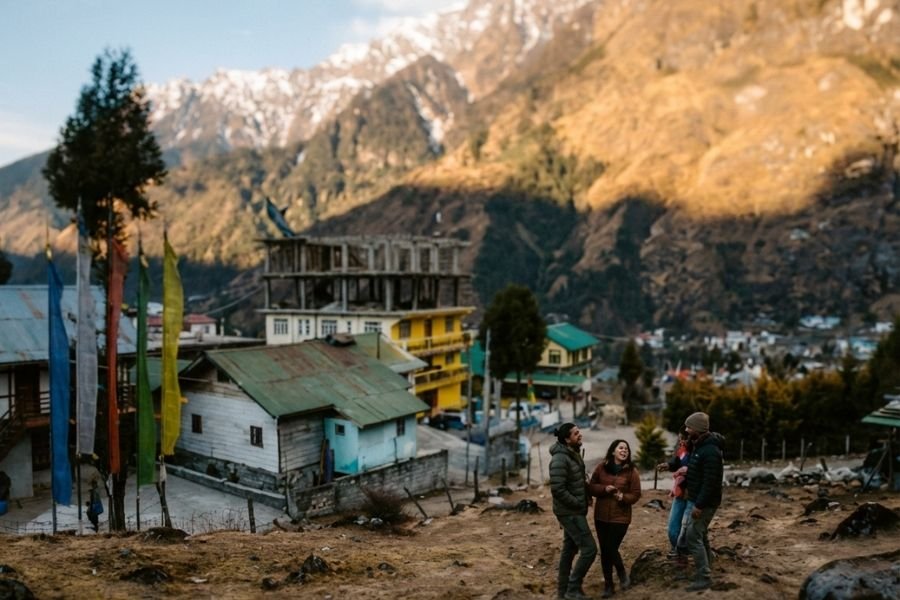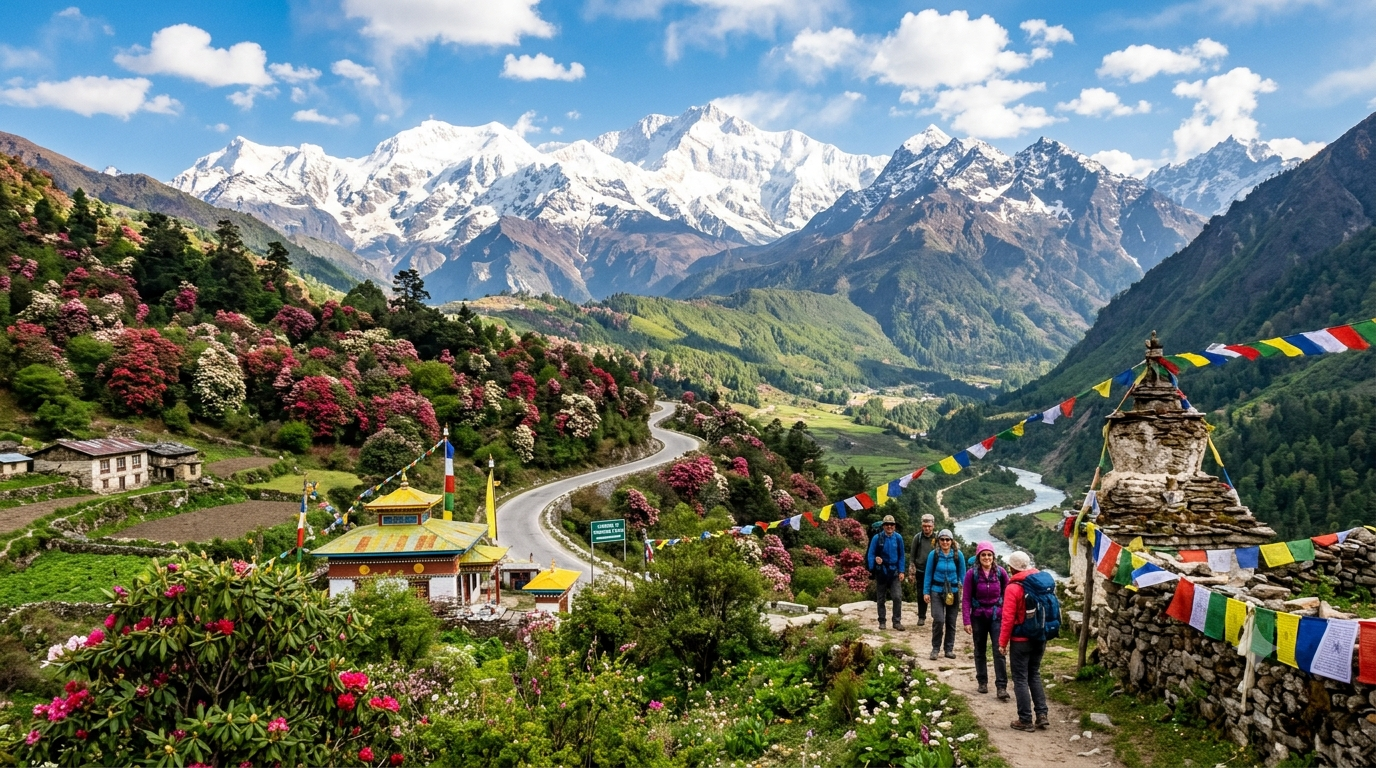
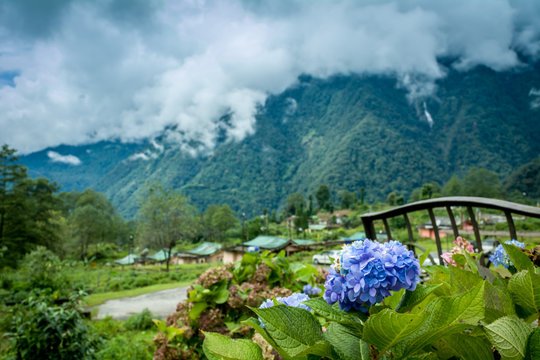
Yuksom is a tranquil mountain village in West Sikkim surrounded by lush wooded hills, clear streams, and spectacular Himalayan scenery. This charming place is a nice alternative to the more crowded hill stations and is filled with the history of Sikkim and Tibetan Buddhist culture. For the traveller, Yuksom provides a slower, more meaningful pace to experience the mountains, from visiting ancient monasteries to exploring forest trails. If you are searching for things to do in yuksom, this peaceful village offers a rewarding blend of history, nature, and local culture.
Whether it is a cultural retreat, a nature holiday, or the start of a Himalayan trekking expedition, Yuksom has a lot to offer. The serene environment, traditional village lifestyle, and proximity to the Kanchenjunga landscape make it a perfect place to relax or indulge in outdoor activities for travellers.
1. Step into Sikkim’s History at Norbugang Coronation Throne
The Norbugang Coronation Throne is one of the most important historical sites in Yuksom. It has traditionally been linked with the coronation of Sikkim’s first Chogyal (king), Phuntsog Namgyal, in 1642. The site has a stone throne, a landscape adorned with prayer flags, and an ancient chorten that offers visitors an insight into the birth of the erstwhile Sikkimese kingdom.
Norbugang is a lovely spot to take in the region’s heritage without rushing the experience, nestled amongst tall trees and peaceful surroundings. Wander around for a bit and take in the religious symbols and find out about the founding of Sikkim’s monarchy and its close relationship to Tibetan Buddhism.
2. Find Peace at Dubdi Monastery
Dubdi Monastery, traditionally dated to 1701, is perched on a forested hill above Yuksom and is generally regarded as Sikkim’s oldest monastery. It is also known as Yuksom Monastery and belongs to the Nyingma school of Tibetan Buddhism. Its historic architecture, religious paintings, and peaceful setting make it an important stop for visitors interested in the spiritual traditions of the Himalayas.
A sloping path through the forest leads to the monastery, so comfortable walking shoes are advised. It’s part of the journey experience, with trees, bird song, and the odd glimpse of surrounding hills contributing to the peacefulness. Take time to walk uphill and check local access before visiting.
3. Visit Kathok Lake for a Quiet Nature Escape
Kathok Lake, or Kathok Tsho, is a small lake with sacred Buddhist traditions of Yuksom. With greenery and prayer flags surrounding it, it offers a peaceful setting for guests who want to take a break from sightseeing and enjoy the natural beauty of the village. It is not just a scenic stop but also of religious significance.
Enjoy the still water, forested surroundings, and quiet atmosphere for a while. If the weather permits, it can be a rewarding place for photography, but visitors should respect the spiritual importance of the lake and not disturb the surroundings. Conditions and water levels vary with seasons, so the scenery may appear different at different times of the year.
4. Explore the Village and Experience Local Life
One of the best ways to explore yuksom attractions is to walk around the village. Wander along its peaceful streets, admire traditional houses, notice colourful prayer flags, and enjoy views of the surrounding hills. Unlike the crowded tourist centers, Yuksom offers a more intimate glimpse into everyday life in the mountains.
You can also sample small local eateries for familiar Sikkimese favourites such as momos, thukpa and other local dishes depending on their availability. Speak to local people or your homestay host about the customs and traditions of the village. Always ask permission before taking pictures of people or private property.
5. Go for a Himalayan Trek through Khangchendzonga Route
Yuksom is a popular base for trekking expeditions in the Khangchendzonga region. The starting point of the popular Goechala Trek, which leads trekkers through dense forests, mountain streams, alpine landscapes, and high-altitude viewpoints with spectacular Himalayan scenery. It is a great option for experienced hikers looking for a more challenging mountain adventure.
But the Goechala Trek is not a leisurely day walk. It requires preparation, the right gear, acclimatisation, and time, with itineraries often spanning several days. Access could be affected by permits, local regulations, weather, and trail conditions. Organise the trek with a credible local operator and meet the latest prerequisites for entering protected areas.
6. Walk Through Forest Trails and Enjoy Birdwatching
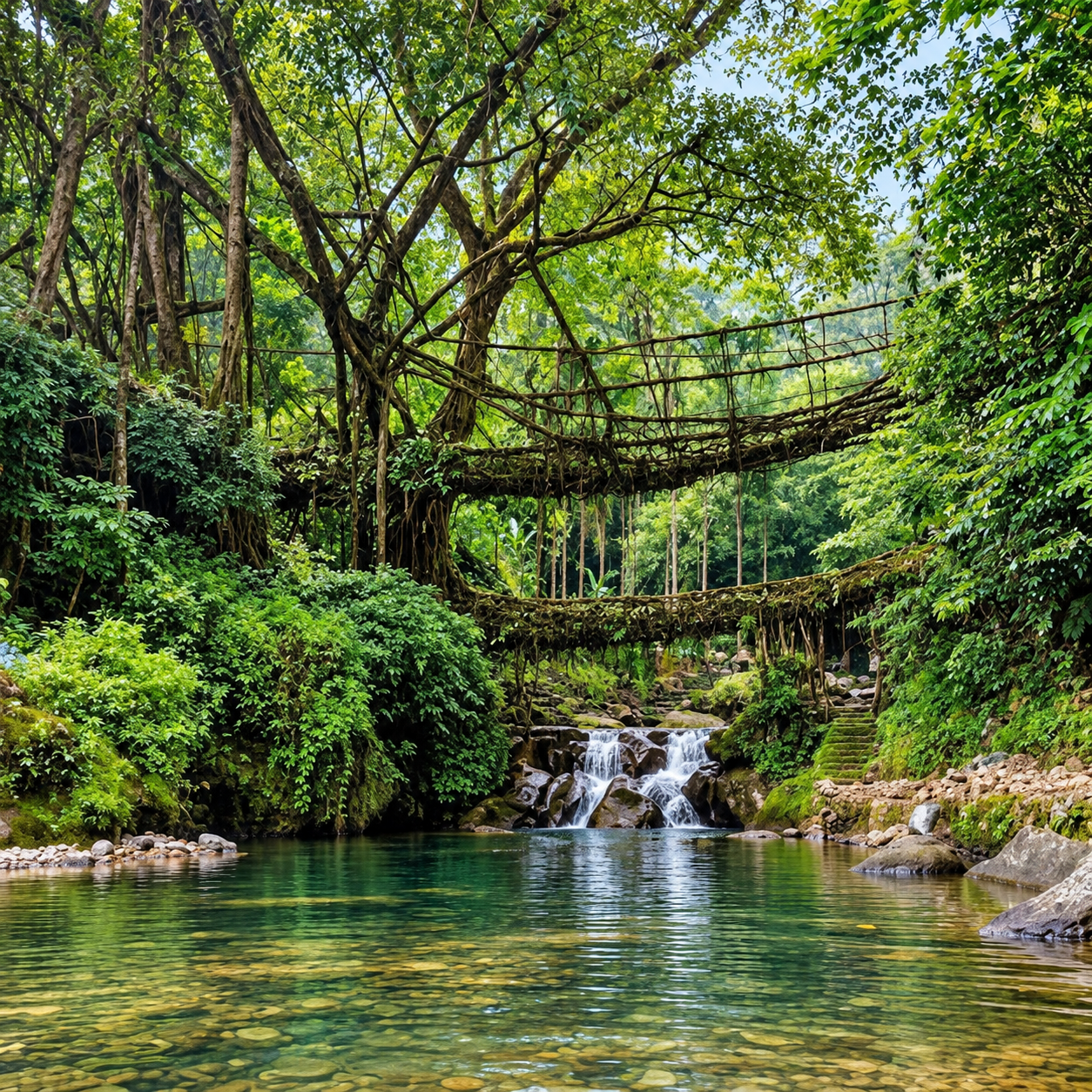
The vicinity of Yuksom is covered with forests, making it a lovely destination for nature lovers. Take advantage of suitable village trails to enjoy the region’s rich vegetation, fresh mountain air, and peaceful woodland views. Depending on the route and the time of year, you may see trees covered in moss, ferns, wildflowers and small streams running through the landscape.
Birdwatching is another pleasant pastime, especially for those travellers who prefer quiet observation to a busy itinerary of sights. If you can, bring binoculars. Keep quiet and don’t disturb wildlife. If you are walking for longer or in unfamiliar areas, do not walk alone into remote forest areas, but ask your accommodation host about safe routes and local conditions.
7. Visit Tashiding Monastery on a Cultural Excursion
Tashiding Monastery is a major Buddhist pilgrimage site on a hilltop in West Sikkim and can be added as part of a wider regional trip from Yuksom. Nyingma tradition relates to the monastery, and it is famous for its spiritual importance, peaceful environment, and Holy Chortens. It is especially helpful for those who wish to be familiar with the spiritual legacy of Sikkim.
The drive offers a chance to see more of West Sikkim outside the village center of Yuksom. Time is spent travelling on the road and visiting the monastery. Travel times may vary depending on road conditions. Dress conservatively and abide by any photography restrictions. Also keep in mind this is a place of worship, not just a tourist attraction.
8. Discover Local Culture Through Food and Homestays
One of the best ways to experience Yuksom, apart from its historical landmarks, is to stay in a local homestay. Many travellers relish the chance to eat home-style and learn about local customs and the slower pace of mountain life. Depending on the property, you may also have beautiful views of the surrounding hills from a balcony or garden.
Food is another aspect of the cultural experience. Try the local specialities like momos, thukpa and traditional preparations with seasonal ingredients. Menu selections vary between establishments, especially at off-peak travel periods, so it is best to check in advance for the availability of meals. Tourism can also support small businesses, especially locally run accommodations and restaurants.
9. Capture Mountain Views and Enjoy Slow Travel
Yuksom is generous with those who leave space in their itinerary for unplanned moments. Depending on weather and viewpoint, the surrounding hills, layered forests, and mountain scenery in the distance can make for great photos. The light of early morning can be beautiful. In the mountains, mist and cloud cover are common and can change rapidly.
Rather than rush from one attraction to the next, enjoy a leisurely breakfast, take a short walk around the village, or spend an afternoon reading and taking in the scenery. The weather in the mountains can be unpredictable, so bring a light rain jacket along. The far peaks may not always be visible, but part of the attraction is the peaceful atmosphere of the village.
Best time to visit Yuksom
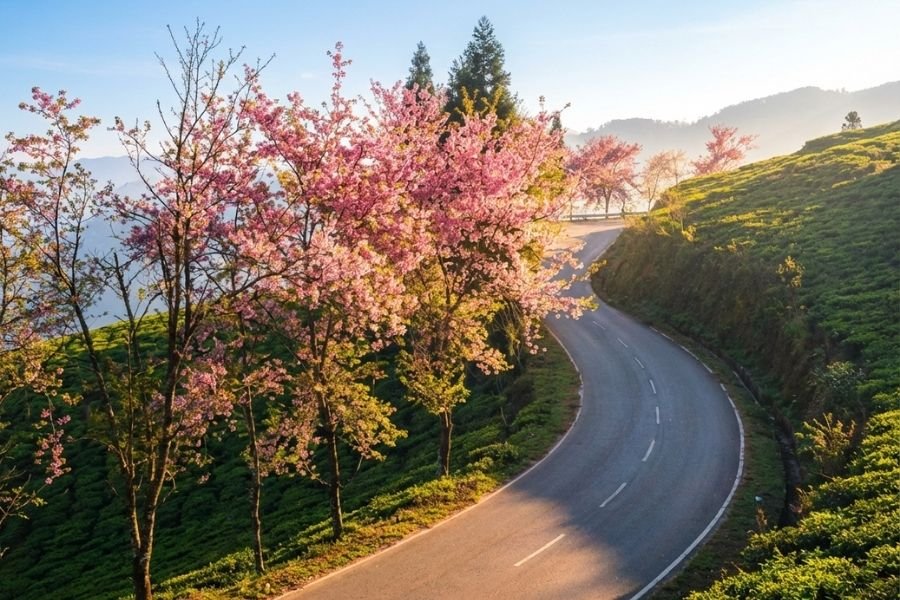
- March to May: Springtime means milder weather, greener scenery, and blooming plants. This is a good time for walks around the villages, visits to the monasteries, and outdoor activities, although there might be some rain, and the weather in the mountains can change suddenly.
- October to November: Fall weather can bring clear skies and mountain views. Ideal for photography, cultural sightseeing, and trekking depending on the current trail conditions and permit requirements.
- June to September: Monsoon season: Heavy rain, mist, wet and slippery trails, possible landslides, or road disruptions. “But you have to be flexible. You can still travel.
- Dec to Feb: In winter, it is generally cold, mostly in the morning and evening. Pack warm clothes and check local road conditions when travelling.
Make Yuksom Your Next Mountain Escape
Yuksom is a quiet place with history, Buddhist culture, forest paths, and life in the mountains all in one. Whether you are visiting ancient monuments, tasting local food, or preparing for a Himalayan trek, the village offers a refreshing experience of Sikkim away from its more crowded tourist centers. The top things to do yuksom include discovering its historical heritage, visiting monasteries, enjoying local food, and exploring the surrounding natural landscapes.
Plan your visit around your interests, keep your schedule flexible, and take time to enjoy the quieter side of the mountains. Sometimes the best thing about a Himalayan holiday is not the quantity of places you visit, but the quality of how you experience each of them.
Frequently Asked Questions
This guide covers the must-experience attractions and activities in Yuksom.
A comfortable visit to Yuksom typically takes 2-4 days, depending on your interests.
Yes, Yuksom offers a mix of activities suitable for families, couples, and solo travelers.
Most activities in Yuksom are best enjoyed outside the monsoon months — check the seasonal guide for specifics.
Depending on the location, Yuksom may offer trekking, rafting, or other adventure options — this guide lists what’s available.
A local guide is recommended for offbeat spots in Yuksom, while major attractions are easily accessible independently.