Here is a small secret from our office in Siliguri: every October, our phones start ringing with the same kind of doubts. “Is everything closed?” “Will somebody put tika on me?” “Why is every aunty carrying a plate of something round and fried?”
Fair questions, all of them. Dashain is a big festival, and if nobody has explained the rules to you, it can feel like walking into a family function where everybody knows the script except you. So we sat down with our chai and wrote the guide we wish someone had handed us years ago.
Nobody is grading you here. Read on, and by the end you will know enough to blend in at any Dashain gathering in Darjeeling, Kalimpong, Siliguri or Sikkim. This year, the main day, Vijaya Dashami, falls on Wednesday, 21 October 2026, and the festival wraps up with the full moon on 25 October. So you still have time to prepare.
1. Why Is It Called Dashain?
Short answer: because of the number ten.
The name comes from the Sanskrit word Dashami, which means the tenth day. That tenth day is the star of the whole show, when elders bless the younger ones and the festival reaches its peak. You will often hear it called Bijaya Dashami, meaning “the tenth day of victory”.
So if anyone asks why a festival lasting fifteen days is named after the tenth, you can smile and say, “Well, every group has one person who gets all the attention.” It is the same here.
2. What Food Is Eaten During Dashain?
Ah, the real reason many people travel home.
Dashain meals are slow, generous and loud with conversation. Expect rice, dal, seasonal vegetables, pickles, and in many homes, goat or chicken curry. Vegetarian families make their own festive spread with khir (rice pudding), fruits and sweets, and nobody leaves hungry in either case.
Then comes the famous sel roti, a sweet, ring-shaped bread made from rice flour batter and fried until golden. Most families make it fresh and share it with relatives and neighbours. A word of caution: it is very easy to say “just one” and then lose count somewhere around the fourth. We are not judging. We have all been there.
3. Who Gives Tika First, and For How Many Days?
There is a gentle order here, and it is based on age rather than who arrived first with the biggest smile.
Tika, the mark of rice, yogurt and vermilion, is received first from the eldest person in the family, and then from other elders in order of seniority. Younger members line up, bow, receive the tika and the jamara, and often a small gift of money called dakshina.
How long does it go on? After Vijaya Dashami, people continue visiting relatives and receiving tika until Kojagrat Purnima, the full moon. In 2026, that means 21 to 25 October. Which explains why families spend the week visiting each other’s homes in groups, and why there is always one cousin who “just needs to sit for a minute” and is still there at dinner time.
4. Dashain vs Durga Puja: What Is the Difference?
This one comes up every year in Siliguri, a city where both festivals share the same calendar and the same streets.
Both honour goddess Durga and fall in the same lunar period, so the confusion is understandable. The difference is in how they feel:
- Durga Puja, especially popular in Bengal, is known for large decorated pandals, idol worship, cultural programmes and evenings of pandal-hopping.
- Dashain is more of a family festival. Its heart is the jamara, the tika ceremony and the blessings of elders at home.
In Siliguri and Darjeeling, neither festival minds sharing the month. You can spend the morning in a pandal and the afternoon at a tika ceremony. Think of it as a two-in-one offer, with better food.
5. Is Dashain a Public Holiday in India?
Vijaya Dashami, also known as Dussehra, is a public holiday across India, including West Bengal and Sikkim. In the hills, schools, offices and many shops stay closed for a few days around the festival.
Our honest advice: do not plan to run errands on the main day. Banks, local offices and a few small shops may be shut, and the person who usually fixes your problem is probably receiving tika somewhere. Please check the official holiday list of your state for exact dates, and finish important work before the festival begins.
6. Why Are There Bamboo Swings and Kites?
Because the rains have ended and everyone feels like a child again.
Before Dashain, villages in Nepal, Darjeeling and Sikkim build tall bamboo swings called ping, and everyone from small children to grandparents takes a turn. Kites fill the sky because the monsoon has finally gone and the autumn breeze is perfect for flying.
Both traditions mark the end of the rainy season and the beginning of the festive one. And if you ever get a chance to try the swing, take it. Just do not be surprised when a ten-year-old tells you that you are doing it wrong.
7. How Do You Greet Someone During Dashain?
Keep it simple and warm.
The most common greeting is “Bijaya Dashami ko hardik shubhakamana”, which means “Warm wishes for Vijaya Dashami”. A shorter “Shubha Bijaya Dashami” works equally well, and a friendly “Happy Dashain” is always welcome too.
If your pronunciation is not perfect, nobody will mind. The effort matters more, and most people will be too busy offering you sel roti to correct you.
8. What Gifts and Clothes Are Traditional?
New clothes are an important part of Dashain, which is why the markets in Darjeeling, Siliguri and Gangtok get so crowded before the festival. Many people wear red or other bright colours on Vijaya Dashami, and the whole family often dresses up together for photographs.
Elders give dakshina along with the tika, and families also exchange sweets, fruits and clothes. People living far away often send gifts home well in advance. If you are visiting a family as a guest, a box of sweets or a basket of fruit is always a thoughtful gesture. Nobody has ever been unhappy about extra sweets, as far as we know.
9. Can Non-Hindus or Tourists Take Part in Dashain?
Yes, with a little respect and a lot of curiosity.
Visitors are generally welcome to observe the celebrations and enjoy the festive mood. If a family invites you to receive tika or share a meal, you can accept it with your right hand and a smile. A few simple rules:
- Ask before taking photos of rituals or family ceremonies.
- Dress modestly when visiting temples and homes.
- Follow your host’s lead. Customs differ between families and communities, and they are the best guide.
You will probably be offered food at least three times in the first hour. This is not a test, but it is a good idea to leave room.
10. When Is the Best Time to Visit Darjeeling and Sikkim During Dashain?
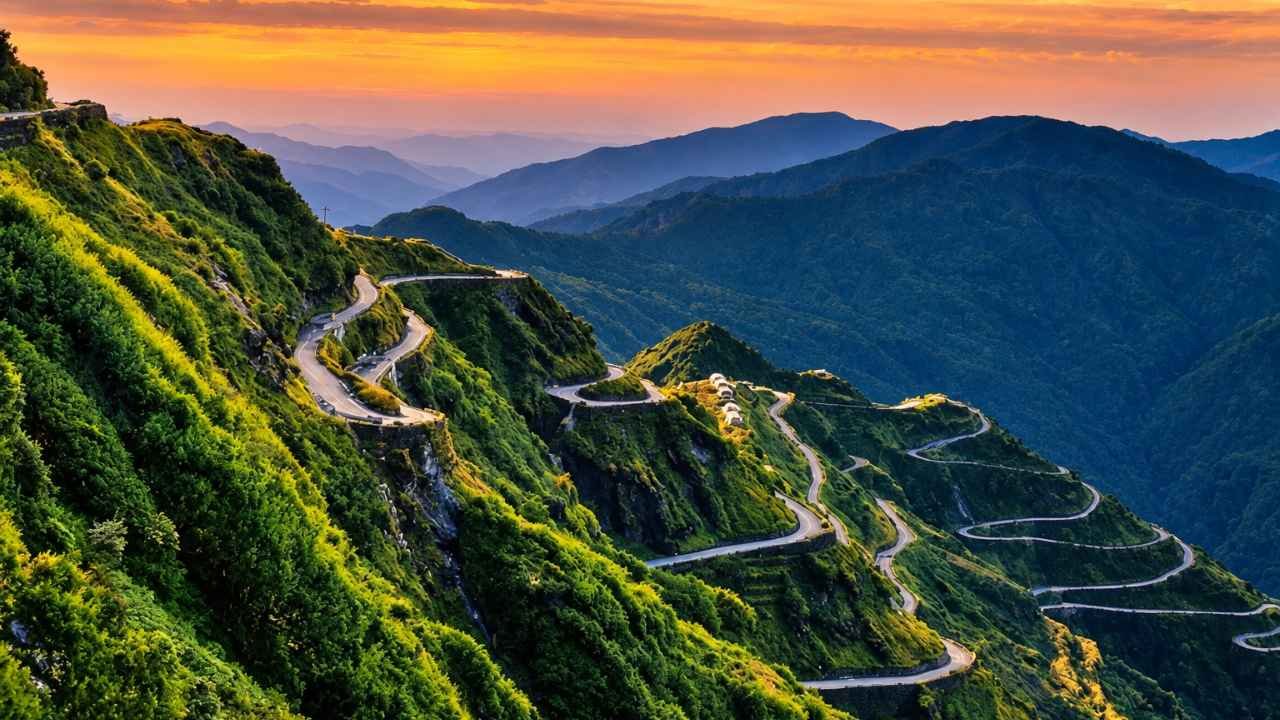
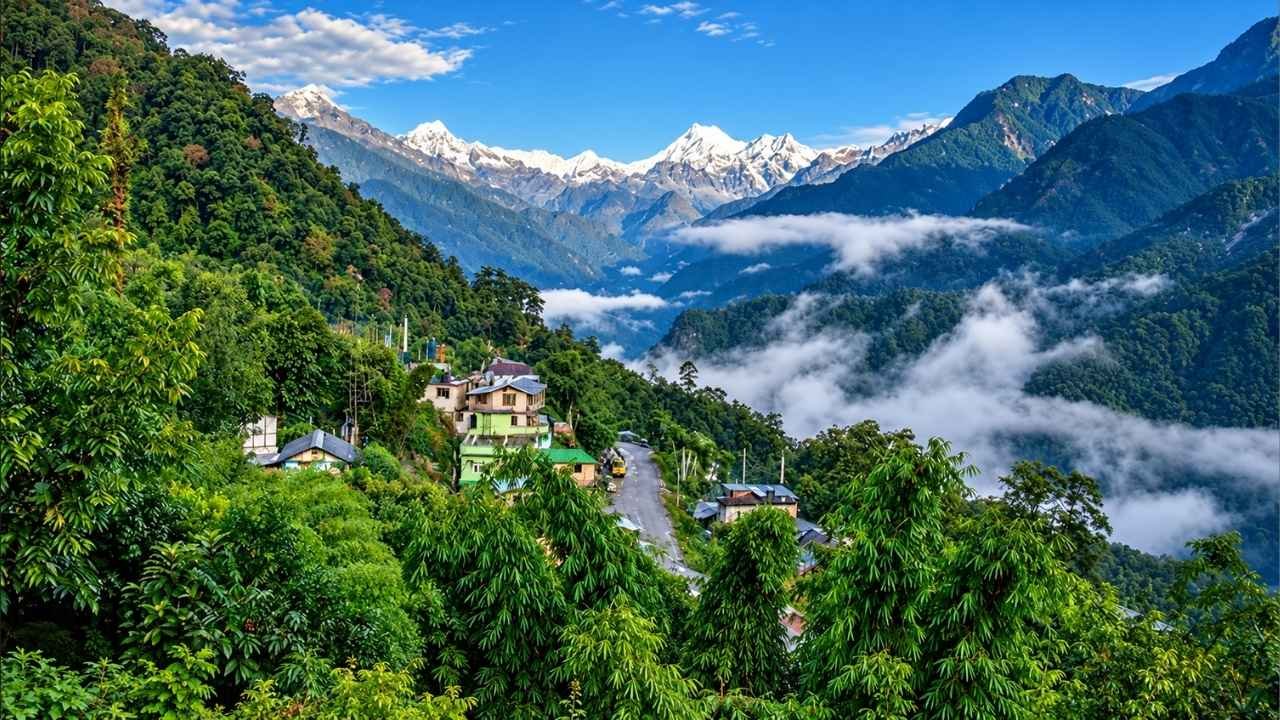
October is one of the loveliest months in the Himalayas. The skies are clear, the weather is pleasant and the views of Kanchenjunga can be breathtaking on a good morning.
The catch is that everybody else knows this too. Cabs, hotels and homestays fill up quickly during the festival, and roads can be busy. If you like a livelier mood, visit during the festive days and book everything early. If you prefer a calmer trip, travel in the last week of October or early November, when the crowds thin out and the mountains are still at their best.
Planning a Trip Around Dashain?
If this guide made you curious, we would love to help you plan a trip that fits the season. We arranges cabs, hotels, permits and sightseeing across Darjeeling, Sikkim and Bhutan, with a real person you can call during your trip.
Explore our Darjeeling tour packages, Sikkim tour packages or Bhutan tour packages, or speak to our travel experts and tell us your dates.
Shubha Bijaya Dashami from all of us at Sikkim Darjeeling Tourism. Please save some sel roti for us.