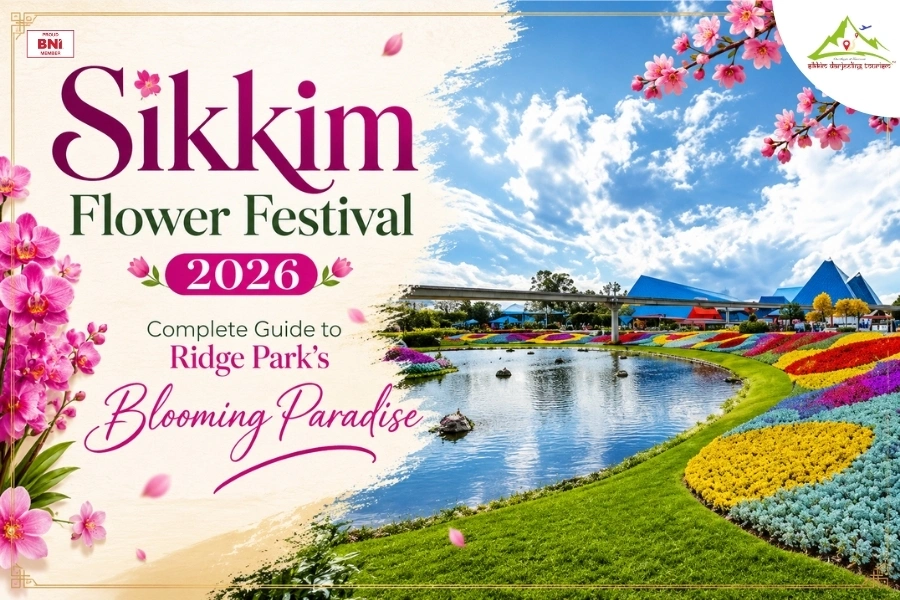
When spring arrives in Sikkim, the mountains slowly begin to change their colors. The cold winter air starts fading away, wildflowers begin blooming across the hillsides and the mountains slowly start looking greener after winter, and the streets of Gangtok become livelier with travelers arriving from different parts of the country. This is also the time when one of the most beautiful seasonal events in Northeast India takes place – the Sikkim Flower Festival 2026 at Ridge Park.
Known for its colorful orchids, blooming rhododendrons, seasonal Himalayan flowers, and peaceful mountain atmosphere, the festival has become a major attraction for nature lovers, photographers, honeymoon couples, and tourists looking to experience the quieter and more colorful side of Sikkim during spring.
Unlike crowded commercial events, the Ridge Park Flower Festival feels calm, refreshing, and deeply connected to nature. As you walk through Ridge Park during the flower festival, the cool mountain breeze, soft mist, and fragrance of fresh flowers create a peaceful atmosphere that instantly makes you slow down and enjoy the moment.
If you are planning to visit Sikkim during spring, here is a complete and informative guide about the Sikkim Tourism Flower Festival 2026, including its history, best visiting time, attractions, nearby sightseeing places, travel tips, and why this festival is becoming one of the most searched seasonal travel experiences in India. For many travelers, visiting Gangtok during spring feels less like a regular vacation and more like spending a few peaceful days surrounded by nature.
What is the Sikkim Flower Festival?
The Sikkim Flower Festival is an annual flower exhibition organized during the spring season to showcase the rich floral diversity of Sikkim and promote eco-tourism in the Himalayan region. Unlike large commercial festivals, the Sikkim Flower Festival feels simple and peaceful. Instead of loud crowds and busy surroundings, visitors spend time slowly exploring the floral displays, taking photographs, and enjoying the calm mountain atmosphere.
The festival is usually organized by tourism and horticulture departments in collaboration with local authorities. Every year, Ridge Park in Gangtok is transformed into a colorful floral paradise filled with:
- orchids
- rhododendrons
- seasonal flowers
- ornamental plants
- bonsai collections
- decorative floral arrangements
The exhibition highlights the natural beauty and biodiversity of Sikkim, which is considered one of the richest ecological regions in India. For many tourists, this festival is not just about flowers. It is about experiencing the peaceful charm of the Himalayas during the most beautiful season of the year.
Incredible India Tourism Portal
Why Sikkim is Famous for Flowers
Sikkim may be one of the smallest states in India, but it is one of the richest regions in terms of biodiversity. Due to its varying altitude, cool climate, forests, and Himalayan ecosystem, the state supports thousands of species of plants and flowers and because of its unique climate and altitude, Sikkim is home to an incredible variety of flowers and Himalayan vegetation. Likely,
- more than 500 species of orchids
- around 40 species of rhododendrons
- rare alpine flowers
- medicinal plants
- Himalayan vegetation
During spring, even normal roadside areas and small hills around Gangtok begin filling with natural colors making it one of the best destinations in India for flower and nature tourism.
Location of the Festival – Ridge Park Gangtok
The festival takes place at Ridge Park, one of the most peaceful and scenic tourist spots in Gangtok. Located near the White Hall complex and walking distance from MG Marg, Ridge Park is known for:
- landscaped gardens
- flower beds
- green surroundings
- quiet atmosphere
- Himalayan views
During the Gangtok Flower Exhibition, the entire park becomes beautifully decorated with colorful flower arrangements and floral displays. As visitors walk through the pathways inside Ridge Park, they often stop frequently to admire the flowers or simply enjoy the peaceful mountain surroundings. In the evenings, the nearby cafes around MG Marg become lively with tourists enjoying coffee, local food, and the cool spring weather after a day of sightseeing.
Best Time to Visit Sikkim Flower Festival 2026
Spring is also considered one of the most comfortable seasons for sightseeing in Sikkim because the weather remains pleasant throughout the day without extreme cold or heavy monsoon rain. The best time to experience the Sikkim Spring Festival is from:
March to May
This is when spring reaches its peak in the Himalayan region.
Weather During Spring
- Day temperature: 10°C to 20°C
- Night temperature: 4°C to 10°C
During spring, the weather in Gangtok remains cool and pleasant, making sightseeing and outdoor exploration much more comfortable for travelers.
During this season:
- orchids bloom across the region
- rhododendrons cover the hillsides
- greenery increases after winter
- skies remain clearer compared to monsoon months
April and May are considered the peak months for visiting the Sikkim Flower Festival 2026.
Latest Gangtok weather updates
Main Attractions of Sikkim Flower Festival
1. Orchid Exhibition
One of the biggest highlights of the festival is the orchid collection. Sikkim is internationally known for its rich orchid diversity, and visitors can witness rare and beautiful orchid species displayed throughout the exhibition. Some orchid displays look so unique and colorful that visitors often spend several minutes simply observing the details and taking close-up photographs.
Some popular varieties include:
- Cymbidium Orchids
- Dendrobium Orchids
- Paphiopedilum Orchids
- Vanda Orchids
The orchid section is usually one of the most photographed areas of the festival.
2. Rhododendron Displays
Rhododendrons are among the most iconic flowers found in the Himalayan region. During spring, the mountains and valleys of Sikkim become covered with blooming rhododendrons in shades of:
- red
- pink
- white
- purple
While traveling through different parts of Sikkim during spring, tourists can often spot rhododendron trees blooming naturally along mountain roads and hillsides, adding vibrant colors to the landscape.
The rhododendron season Sikkim is especially popular among:
- photographers
- trekkers
- travel vloggers
- nature enthusiasts
3. Seasonal Himalayan Flowers
Apart from orchids and rhododendrons, the festival also showcases:
- lilies
- roses
- primulas
- marigolds
- seasonal mountain flowers
- decorative flowering plants
The combination of these flowers creates a colorful atmosphere throughout the park.
4. Photography & Content Creation
The flower festival has become increasingly popular among travel photographers and social media creators. Many couples and content creators also plan special photoshoots during the flower festival because the natural backdrop requires very little editing to look beautiful. You will notice tourists stopping frequently for photographs because almost every corner looks scenic during spring.
Visitors often come here to create:
- Instagram Reels
- cinematic travel videos
- flower photography
- travel vlogs
- couple shoots
The combination of flowers, mountain weather, and Himalayan scenery makes Ridge Park one of the most photogenic places in Gangtok during spring.
Best Time for Photography
- Early morning for soft lighting
- Late afternoon for golden hour
- Slightly cloudy weather for cinematic mountain shots
5. Peaceful Spring Atmosphere
One of the best parts of visiting the flower festival is the overall atmosphere. Unlike crowded city festivals, the experience here feels calm and refreshing. In the early morning, when the mist slowly moves across the hills and sunlight begins touching the flowers, Ridge Park feels incredibly peaceful. Many visitors spend time simply sitting quietly on the benches inside the park, listening to the sounds of birds and enjoying the peaceful mountain atmosphere. This peaceful environment is one of the reasons why many tourists say Sikkim feels different from other tourist destinations.
Why Tourists Love Visiting During Spring
Compared to peak winter months, spring feels more relaxed and comfortable for travelers. Roads become easier to travel on, flowers bloom across the region, and the overall atmosphere in Gangtok feels more lively and refreshing. Many travelers spend hours simply walking around the floral displays. Spring is considered one of the best seasons to visit Sikkim because:
- weather becomes pleasant after winter
- flowers bloom across the region
- mountain views improve
- roads remain more accessible
- sightseeing becomes comfortable
For honeymoon couples and family travelers, spring offers the perfect balance of:
- nature
- weather
- photography
- relaxation
- sightseeing
Nearby Tourist Places to Visit Around Ridge Park
Tourists visiting the flower festival can also explore nearby attractions in Gangtok such as:
- MG Marg
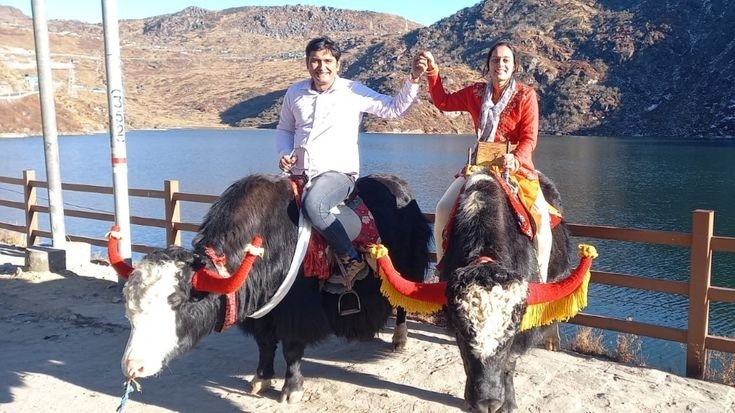
- Tsomgo Lake
- Rumtek Monastery
- Hanuman Tok
- Ganesh Tok
- Banjhakri Falls
- Namgyal Institute of Tibetology
Most of these attractions can easily be covered during a Gangtok sightseeing tour.
How to Reach Gangtok
By Air
Nearest airports:
- Pakyong Airport
- Bagdogra Airport
Bagdogra Airport is the most commonly used airport for tourists visiting Sikkim.
By Train
Nearest railway station:
- New Jalpaiguri Railway Station
From NJP, tourists can hire:
- shared cabs
- private taxis
- reserved vehicles
to reach Gangtok.
By Road
Gangtok is well connected by road with:
- Siliguri
- Darjeeling
- Kalimpong
- Bagdogra
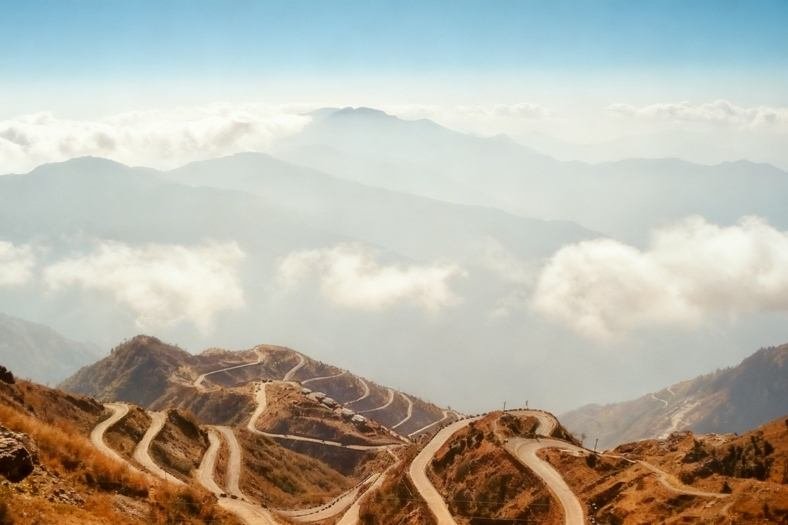
The road journey from Siliguri to Gangtok is itself one of the most scenic parts of the trip, especially during spring when the hills appear greener and rivers flow clearly beside the mountain roads.
Travel Tips for Sikkim Flower Festival 2026
Here are some useful travel tips for visitors:
- Carry light woollen clothes because evenings can still feel cold
- Book hotels early during peak spring season
- Visit Ridge Park during morning hours for better photography
- Carry umbrellas due to occasional spring showers
- Wear comfortable walking shoes
- Keep cameras protected from moisture
- Avoid littering and help maintain the natural beauty of the region
- Morning hours are usually less crowded for photography
- Mobile network works properly in most parts of Gangtok
- Carry moisturizer because mountain weather can feel dry during spring
- Weekends may become crowded because of tourist rush
Importance of Flower Tourism in Sikkim
Over the years, flower tourism has become one of the most attractive parts of Sikkim’s spring travel season. Events like the Sikkim Tourism Flower Festival help promote:
- eco-tourism
- environmental awareness
- sustainable travel
- local horticulture
- Himalayan biodiversity
Every spring season, the increase in tourist arrivals also supports local hotels, taxi drivers, cafes, and small businesses across Gangtok.
Conclusion
The Sikkim Flower Festival 2026 at Ridge Park Gangtok is much more than just a flower exhibition. It is an experience that allows travelers to witness the peaceful beauty of the Himalayas during one of the most colorful seasons of the year. From blooming orchids and vibrant rhododendrons to cool mountain air and scenic landscapes, every part of the festival reflects the natural charm of Sikkim.
Whether you are a nature lover, photographer, honeymoon traveler, or someone simply looking for a peaceful mountain getaway, visiting the Ridge Park Flower Festival during spring can become one of the most memorable experiences of your journey. If you truly want to experience Sikkim at its most colorful and refreshing stage, spring is undoubtedly one of the best times to visit.
Long after the trip ends, many travelers remember the peaceful feeling of walking through Ridge Park surrounded by colorful flowers and cool Himalayan air. The Sikkim Flower Festival is not only about sightseeing, but about slowing down, enjoying nature, and experiencing the beauty of spring in the mountains in the simplest way possible. For travelers looking to take a break from crowded cities and fast routines, the Sikkim Flower Festival offers a rare chance to slow down and experience the peaceful beauty of the Himalayas in a simple and memorable way.