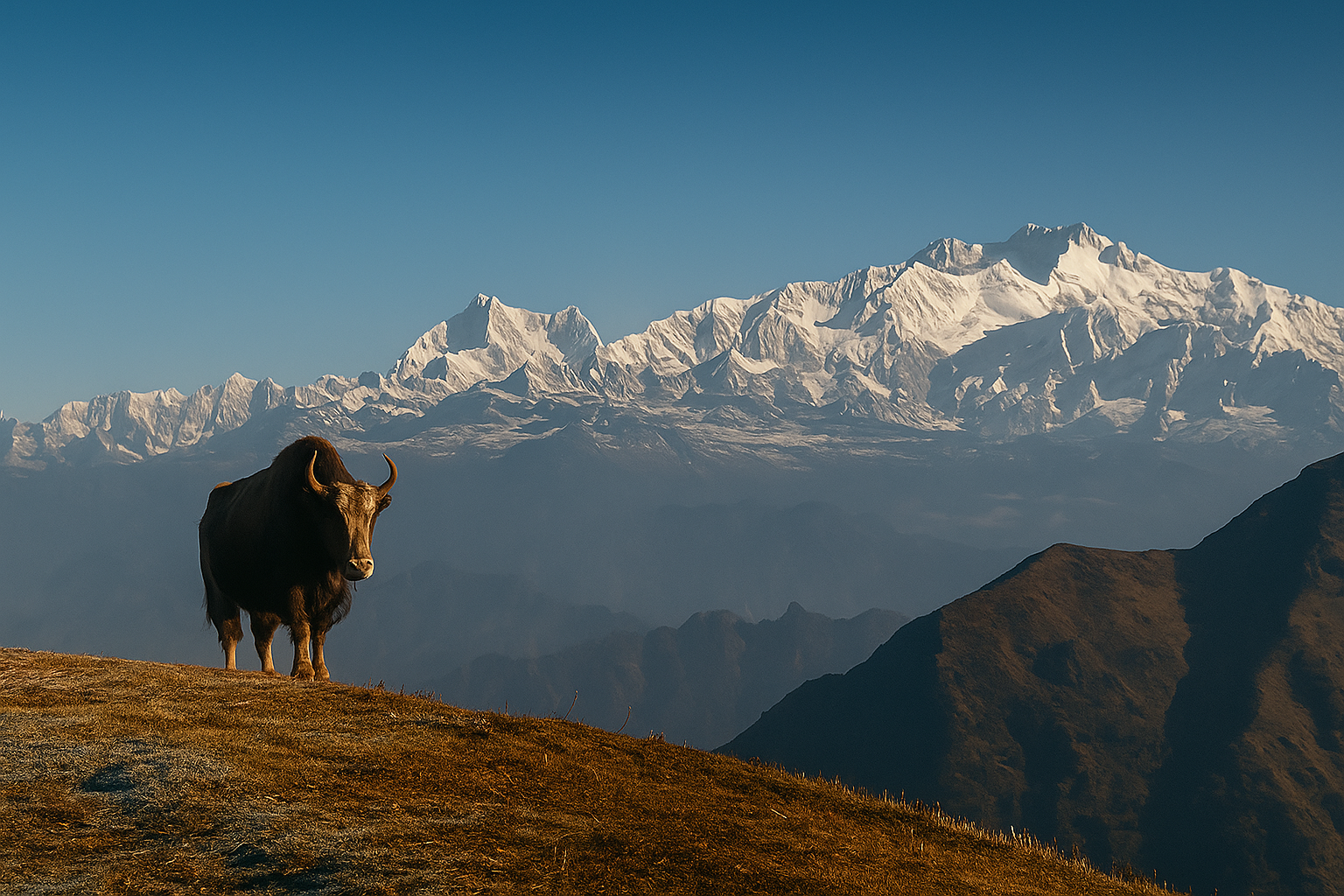
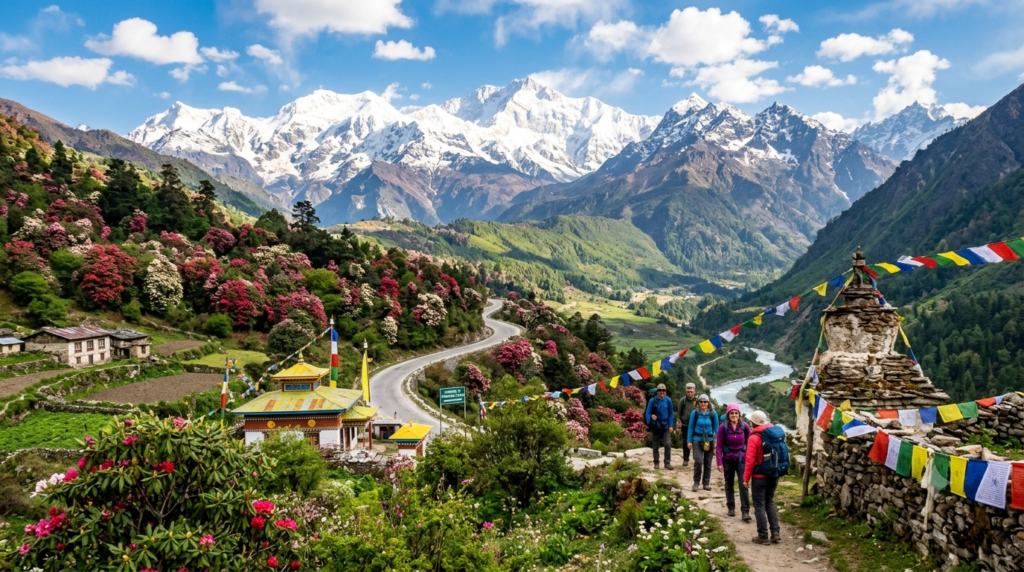
Sikkim is one of the smallest states in India, but also one that travellers can’t stop talking about. It is packed with glaciers, monasteries, rhododendron valleys and a view of the third-highest mountain in the world – all in a small space.
There’s also homework that comes with it: permits, seasons, road closures and a budget that swings wildly depending on how you travel.
This Sikkim travel guide has done the homework for you. This Sikkim travel guide is organised in the order you’d actually plan a trip, starting with the question that drives all the others.
When Is the Best Time to Visit Sikkim?
When to visit Sikkim depends on what you want to see.
Season | Months | What you get | Watch out for |
Spring | March to May | Blooming rhododendrons, clear views, mild days | Peak crowds and prices |
Early summer | June | Green hills, fewer visitors | Rain begins, landslide risk grows |
Monsoon | July to September | Lush scenery, lowest rates | Heavy rain, road closures |
Autumn | October to November | Sharpest skies and mountain views | Peak-season rates |
Winter | December to February | Snow at high altitude, quiet towns | Bitter cold, closed passes |
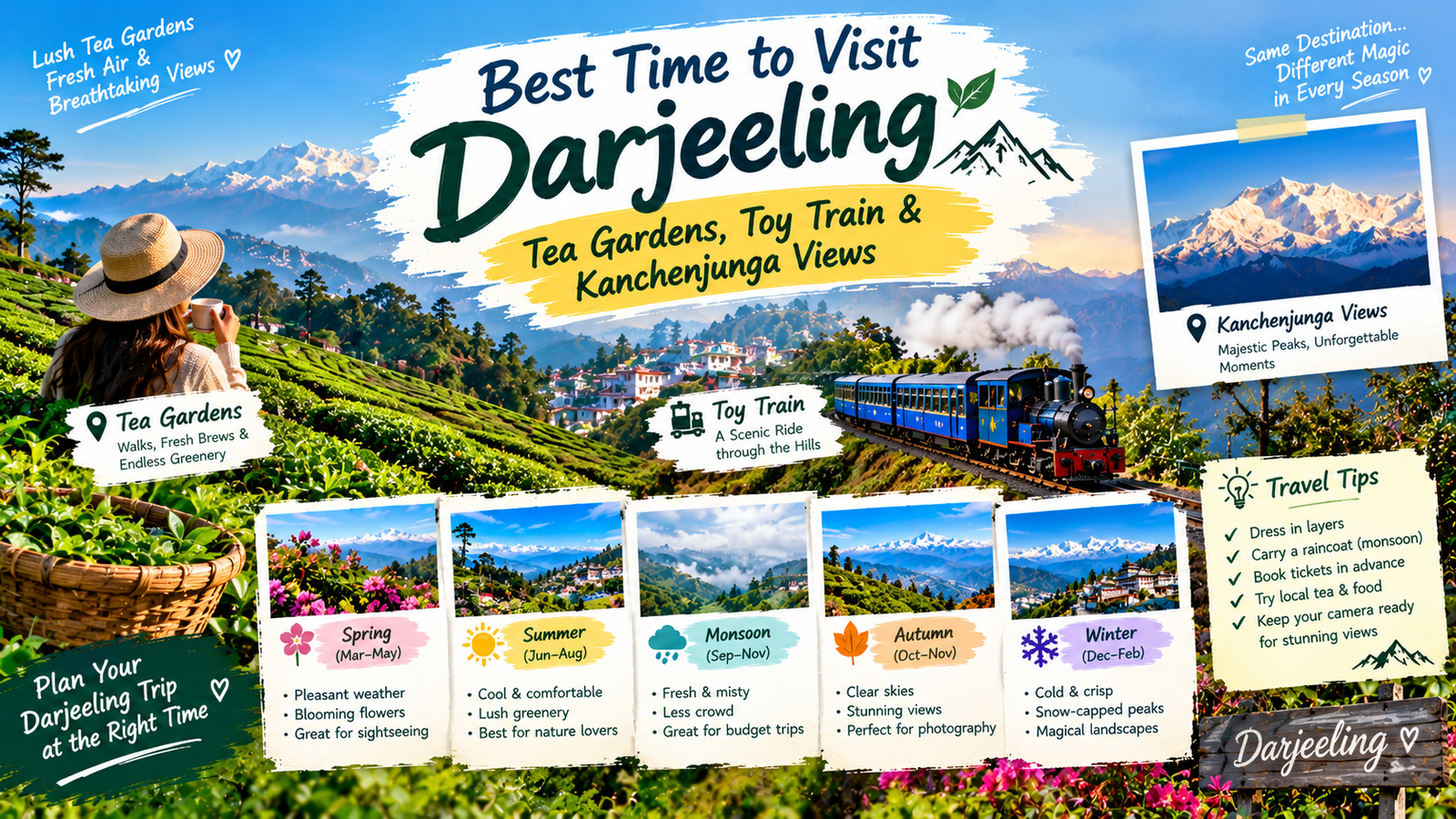
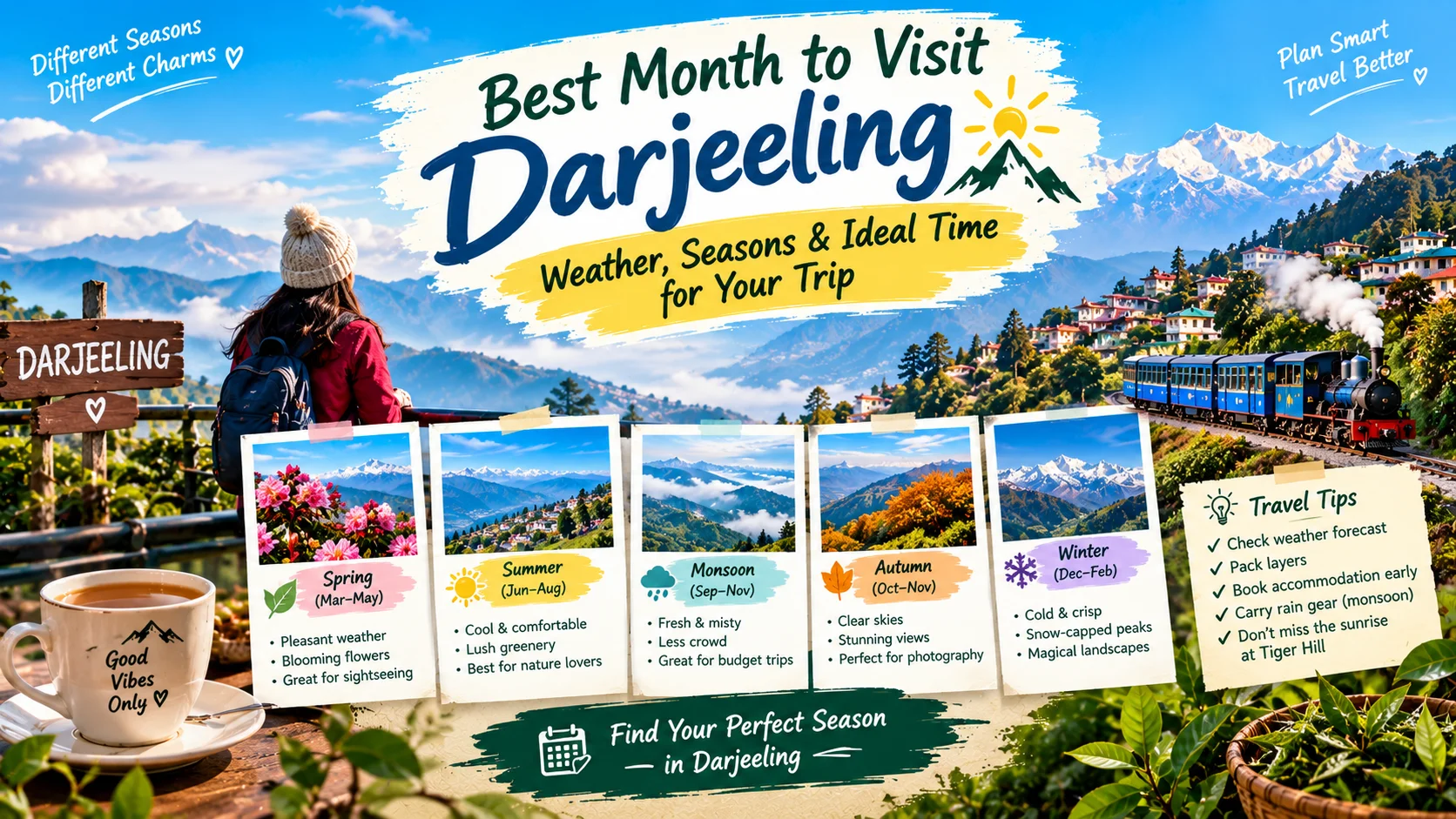
Best travel periods are March to June and October to November. Autumn is often considered the clearest season. Winter brings heavy snow to high areas such as Nathula and Lachen, and roads can close. If you want snow, it’s a gamble worth taking.
Sorted by season. Now, the heart of any Sikkim travel guide: where to go?
Places to Visit in Sikkim
This part of the Sikkim travel guide breaks the state down into four regions.
Highlights for each are here.
East Sikkim: Gangtok and the Border Roads
Gangtok is the capital and the most used base. MG Marg is the shopping and eating-out hub, with tourist attractions being Tashi View Point, Hanuman Tok, and Rumtek Monastery.
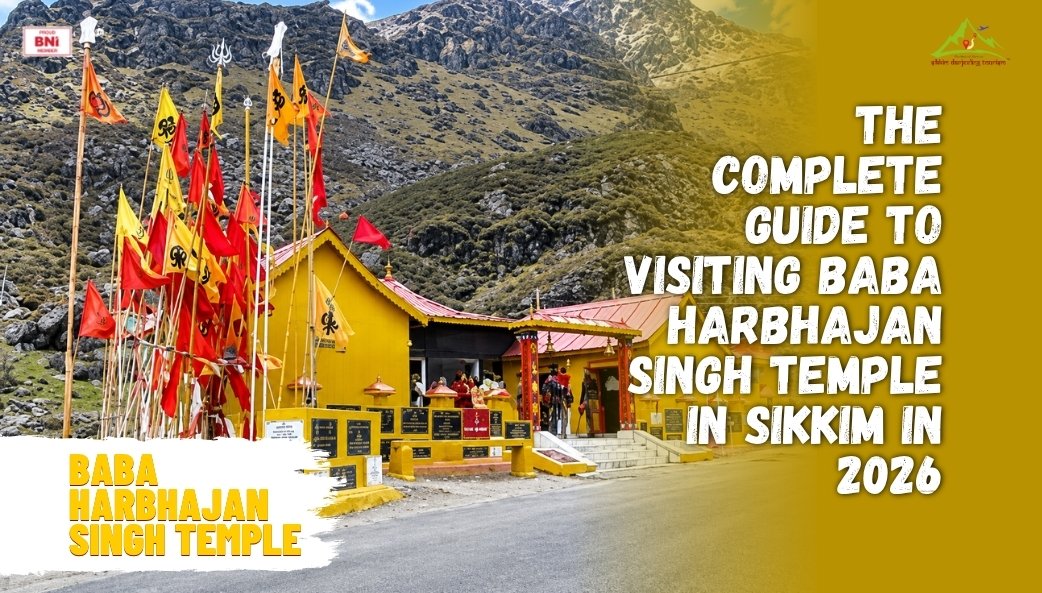
From Gangtok, a day’s trip is to Tsomgo Lake, Baba Mandir, and Nathula Pass, a border pass at about 14,000 feet.
North Sikkim: Lachung, Lachen & Yumthang Valley
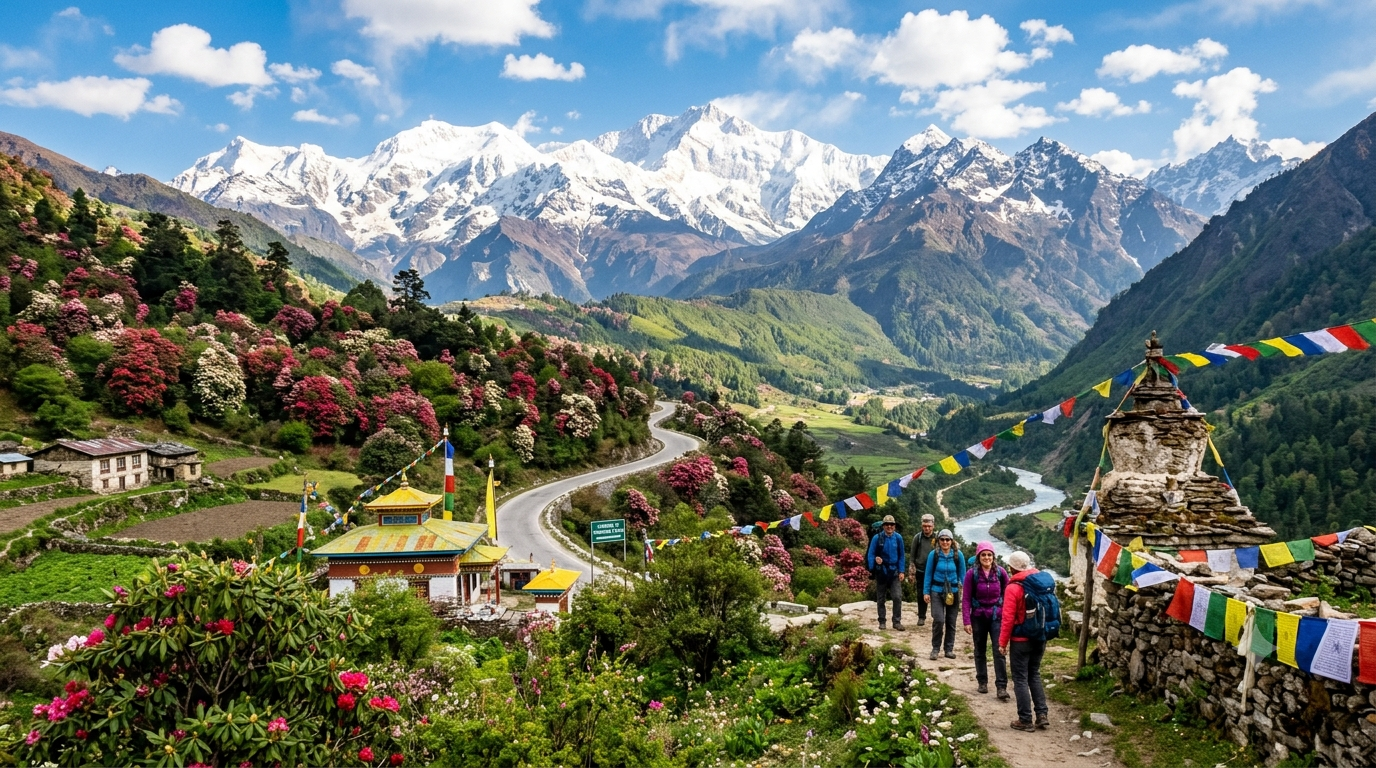
This is the drama of Sikkim. There are mountain villages at Lachung and Lachen, the rhododendron-filled Yumthang Valley in spring, and Gurudongmar Lake near the Tibetan border.
North Sikkim requires a minimum of two days and one night in Lachung or Lachen.
West Sikkim: Pelling & Yuksom
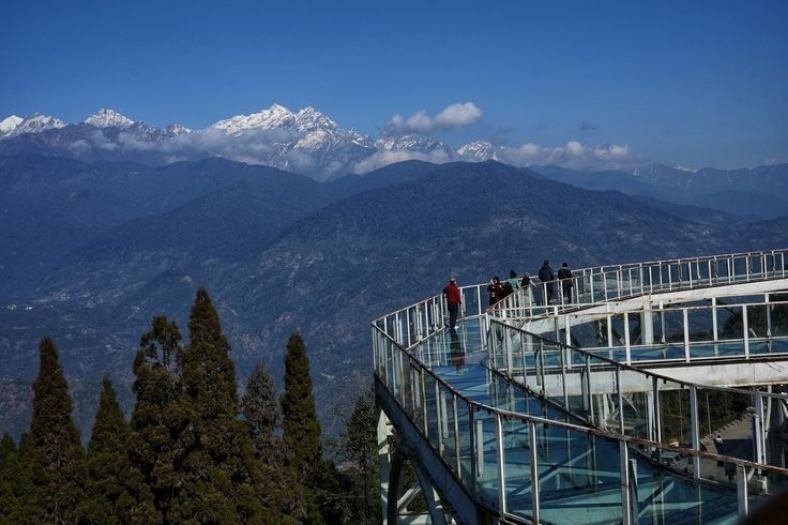
Pelling has views of Kanchenjunga, the Skywalk, Pemayangtse Monastery, and the Rabdentse ruins. Yuksom, the first capital of Sikkim, is the base for the Goechala trek.
South Sikkim: Ravangla, Namchi
These towns are more mellow, with large Buddha statues and mellow weather.
A big part of the north and west of the state is covered by the UNESCO World Heritage Site, Khangchendzonga National Park.
Want something a bit quieter? Travellers seeking fewer crowds tend to prefer Zuluk and the old Silk Route.
Now comes the part of every Sikkim travel guide that goes wrong for first-timers.
Sikkim Permit Rules for 2026
The short answer: Indian visitors do not need a permit for the main towns, but special areas do.
Destination | Permit for Indians |
Gangtok, Pelling, Ravangla, Namchi | None |
Tsomgo Lake, Baba Mandir, Nathula | Day permit, issued through the tourism office department |
North Sikkim (Lachen, Lachung, Yumthang, Gurudongmar | Protected Area Permit, via a registered operator |
Dzongu | Special permit |
You will need: Two passport-size photographs and a copy of any government ID (eg Voter ID, passport, driving licence). A few operators say that North Sikkim is not accepted with Aadhaar.
How does it work:
- Tsomgo and Nathula day permit: Generally issued the afternoon prior. Said to be around ₹200 per person plus vehicle charge.
- North Sikkim permits require a registered Sikkim operator, a Sikkim-registered vehicle, and a driver with the right permit. The Sikkim permit for Indians is free, or so they tell me, but the operators charge for the processing.
- Nathula opens for limited days and is dependent on weather and Army clearance.
Foreign visitors: Need a Restricted Area Permit and a Protected Area Permit and must travel in groups of two or more with a registered operator. Some places like Nathula, Gurudongmar and Zuluk are said to be closed for them.
One more thing: the reports say that, from 1 October 2026, restricted-area permits are going to a new online portal. Check the current process with your operator
Now, forget permits; here comes the money part.
Sikkim Trip Cost in 2026
A good Sikkim travel guide has to talk money. So here it is.
Prices vary greatly by style. A 2026 route planner shows totals per person for double occupancy at:
Trip length | Budget | Mid-range | Comfort |
7 days | About ₹15,200 | About ₹23,600 | About ₹42,500 |
10 days | About ₹20,350 | About ₹33,500 | About ₹60,250 |
These are the estimates for one planner and do not include travel to Sikkim, so operator quotes will be different. Typical line items are:
- Hotels: Budget rooms in Gangtok start at about ₹1,200 per night.
- Airport/station transfer: Shared seats from NJP to Gangtok, around ₹350-₹550. The private SUV costs Rs 4,000 to Rs 4,500.
- North Sikkim: Three-day packages are shared at around ₹5,500 to ₹8,000 per person. Much more is the private car.
- Tsomgo and Nathula day trip: ₹6,500 to ₹8,000 for the full vehicle, excluding the permit.
- Food: Rs 500–1,000 per day at local restaurants.
Think of these as starting points and ask for written quotes.
So how does this Sikkim travel guide pack it all in with the budget in mind?
Sikkim Tour Itinerary Options
Trip | Route | Best for |
5 days | Gangtok, Tsomgo and Nathula, Lachung and Yumthang | A first, focused taste |
7 days | Gangtok, Tsomgo, Lachen, Gurudongmar, Lachung, Yumthang | The North Sikkim classic |
10 days | The 7-day route plus Ravangla and Pelling | A full-state circuit |
A slow-travel option: Forget the whirlwind; spend three or four days in one small town, whether it be Pelling or Soreng.
A well-planned Sikkim tour itinerary divides the long drives into different days and has one spare day for weather.
How to Reach Sikkim
Getting there is the final part of any Sikkim travel guide.
Sikkim has limited air and rail connectivity.
- Air: The main airport is at Bagdogra in West Bengal. Pakyong, near Gangtok, has few flights.
- By Train: The nearest railhead is Siliguri.
- By road: Taxis and shared jeeps are available to Gangtok, Pelling, and beyond.
It takes a whole day to get from the plains to the hills.
Sikkim Travel Guide Tips
- Bring cash. Not many ATM’s up north.
- Wear layers. Temperature changes rapidly with altitude.
- Book ahead for March to June and October to November.
- Check road conditions after rain. Landslide-prone roads: NH10 in North Sikkim
- Take altitude and motion sickness medication.
- Be respectful of the culture. At monasteries, remove shoes, dress modestly and ask before taking photos.
Plan Your Sikkim Trip With Sikkim Darjeeling Tourism
Sikkim travel guides are not up-to-date with the permits, vehicles, and road conditions. That’s where a local operator makes his living.
Sikkim Darjeeling Tourism can help you with:
- Tsomgo, Nathula and North Sikkim Permit arrangements
- Registered vehicles in Sikkim and experienced hill drivers
- Custom itineraries from 5 to 10 days, depending on your budget and season
- Darjeeling, Pelling & Bhutan Package Tours
Ready to begin? Contact Sikkim Darjeeling Tourism today and let us create your trip to Sikkim.
When is the best time to visit Sikkim?
March to June and October to November are the best periods. Spring brings blooming rhododendrons, and autumn usually has the clearest skies and mountain views. Winter (December to February) is good for snow but brings bitter cold and closed passes, and July to September has heavy rain and road closures.
Do Indian tourists need a permit for Sikkim?
Not for the main towns such as Gangtok, Pelling, Ravangla and Namchi. A day permit is needed for Tsomgo Lake, Baba Mandir and Nathula, a Protected Area Permit for North Sikkim (Lachen, Lachung, Yumthang, Gurudongmar), and a special permit for Dzongu.
What documents are needed for a Sikkim permit?
Usually two passport-size photographs and a copy of a government ID such as a Voter ID, passport or driving licence. Some operators say Aadhaar may not be accepted for North Sikkim, so confirm with your operator first.
How much does a Sikkim trip cost in 2026?
One 2026 route planner estimates about ₹15,200 (budget), ₹23,600 (mid-range) and ₹42,500 (comfort) per person for 7 days, and about ₹20,350, ₹33,500 and ₹60,250 for 10 days. These exclude travel to Sikkim, so ask for a written quote.
How many days are enough for Sikkim?
Five days covers Gangtok, Tsomgo Lake, Nathula and Lachung-Yumthang. Seven days adds Lachen and Gurudongmar Lake. For a full-state circuit with Ravangla and Pelling, plan 10 days. Keep one spare day for weather.